
Shoulder Pain in Bangbae: Biceps Tendinitis and Front-of-Shoulder Pain
Biceps tendinitis often stems from imbalanced shoulder movement rather than inflammation of one tendon alone, so correcting movement patterns is key.
Many people describe a sharp, jabbing pain at the front of the shoulder the moment they reach forward to lift something. A condition commonly found in these cases is biceps tendinitis. It often develops in people whose jobs involve repetitive arm use or who exercise frequently. For those in Bangbae bothered by pain at the front of the shoulder, here is why biceps tendinitis develops and how rehab works.
The Biceps Tendon and Biceps Tendinitis
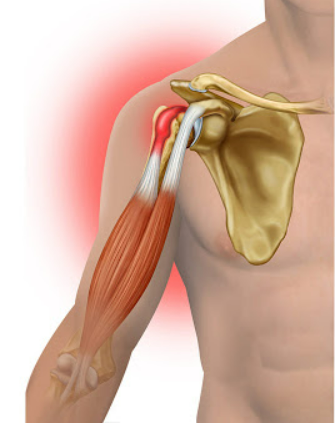
The biceps tendon is where the biceps, the muscle at the front of the upper arm, passes over the shoulder and attaches inside the joint. Because it also helps stabilize the front of the shoulder joint, inflammation here causes pain that feels different from ordinary muscle aches.
Biceps tendinitis can occur on its own, but it often comes with other shoulder conditions such as a rotator cuff tear, impingement syndrome, or shoulder joint instability. These problems overload the biceps tendon, leading to inflammation. That's why the underlying cause often needs to be seen as an imbalance in shoulder movement rather than the tendon inflammation itself.
Symptoms That Suggest Biceps Tendinitis
- The front of the shoulder hurts when pressed
- You feel a sharp pain when raising your arm forward
- Pain increases when lifting heavy objects
- Your shoulder hurts when you roll over at night
A hallmark is pain that worsens when resistance is applied with the arm raised.
Rehab for Biceps Tendinitis Progresses in Three Stages
In rehabilitation medicine, we don't stop at anti-inflammatory treatment; the goal is to correct the movement pattern that caused the problem.
Because this isn't a problem of the biceps alone, restoring balance between the shoulder blade and the rotator cuff in the intermediate stage is important. If the correct pattern isn't built in the late stage, the pain is likely to return.
When Is a Detailed Evaluation Needed?
- Pain has lasted more than 4 weeks
- Your shoulder strength has noticeably decreased
- It's hard to raise your arm
- You're an athlete or your job involves repetitive shoulder use
If other shoulder conditions are present, the treatment approach may change. In rehabilitation medicine, we place importance on a functional movement assessment of the shoulder alongside MRI findings. Checking and correcting whether the shoulder blade moves properly when you lift your arm, whether the upper arm bone is pushed forward, and whether there's a strength imbalance is what prevents recurrence. At Ssukssuk Rehabilitation Medicine Clinic, we decide on the treatments you need from injection therapy, manual therapy, shockwave therapy, therapeutic exercise, and physical therapy based on your diagnosis.
In Summary
Biceps tendinitis usually starts with a movement problem in the shoulder as a whole. Rehab that corrects movement is closer to a fundamental solution than treatment that only reduces pain. If pain at the front of your shoulder keeps coming back, don't put off getting evaluated.
Last reviewed: 2026-10-07 This article provides general medical information. Individual diagnosis and treatment decisions are made during an in-person consultation.