
Manual Therapy in Seocho & Bangbae: What Determines Results
Manual therapy works when the cause is identified, daily habits change, and you get enough sessions in the right direction.
Why do some people improve with the same manual therapy while others stay the same? Many people with back, neck, or shoulder pain are considering manual therapy or have already tried it, yet opinions on how well it works vary widely. For those in Seocho and Bangbae looking into manual therapy, here's a comparison of the conditions that make the difference and how to get it right.
Manual Therapy: More Than Hands-On Release
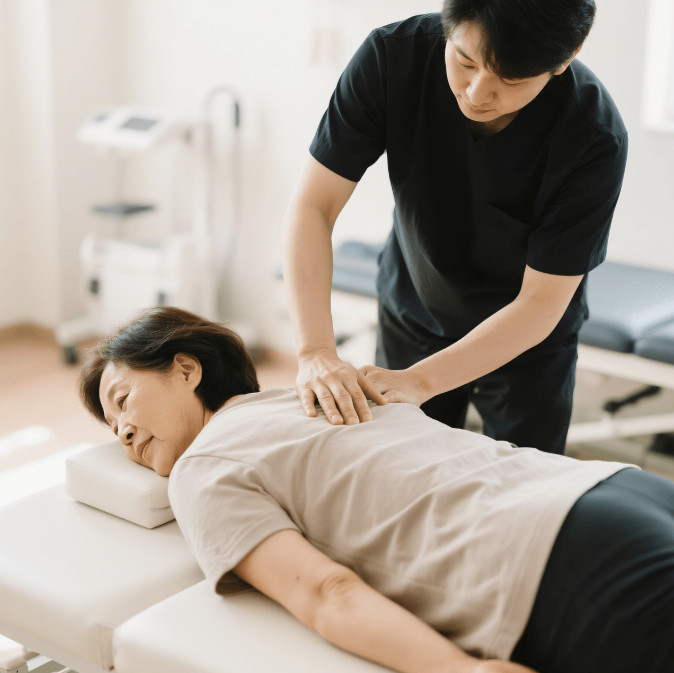
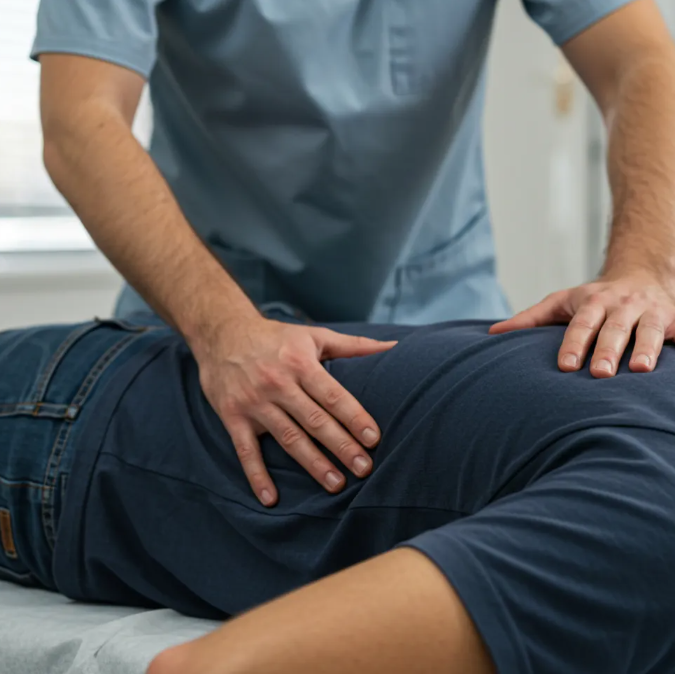
Manual therapy first assesses the condition of your muscles, joints, and nerves and then changes how you move. It doesn't stop at loosening tight spots; the key is correcting the patterns that create pain, such as poor posture, repeated faulty movements, and overuse of a particular area.
When Manual Therapy Works and When It Doesn't
Pain is the result; the real problem is the movement pattern that produced it. Even if manual therapy resets your body once, it will eventually go back to how it was if your everyday habits stay the same.
Who Manual Therapy Suits Best
- People with recurring neck or back pain
- People whose posture has broken down, such as forward head posture or rounded shoulders
- People who hurt in one specific area during exercise
- People who keep feeling discomfort even though tests show nothing major
- People who get only temporary relief from massage
It's especially helpful when you keep hurting without knowing why.
Three Ways to Check You're Getting Manual Therapy Right
- Is there an assessment before treatment? — Check whether your body's condition is analyzed rather than jumping straight into treatment.
- Is it the same every time? — Good manual therapy keeps adapting to your body's condition.
- Does it include exercise and posture education? — If it ends with treatment alone, the benefit drops considerably.
At Ssukssuk Rehabilitation Medicine Clinic, we combine manual therapy with injection therapy, shockwave therapy, therapeutic exercise, and physical therapy based on your diagnostic results.
In Summary
Manual therapy does work, but with conditions attached. Results change when treatment changes how you use your body, rather than just leaving you feeling refreshed. If pain in the same area keeps returning, consider an approach that changes the movement itself.
Last reviewed: 2026-10-07 This article provides general medical information. Individual diagnosis and treatment decisions are made during an in-person consultation.