

Ankle Pain in Bangbae: Frequent Sprains and Ankle Instability
An ankle that sprains often may not just be weak; it may be ankle instability, and the key to recovery is balance and stability.
If, ever since you sprained your ankle, it feels like it could roll again on uneven ground or stairs, it may not simply be a weak ankle. This is called ankle instability. Without proper treatment early on, it can become chronic and affect both daily life and exercise. For those in Bangbae worried about ankle pain and frequent sprains, here are the causes and how to recover.

What Is Ankle Instability?
Ankle instability is a condition in which the ligaments and muscles supporting the ankle, along with the nerve control of the joint, are weakened, so the ankle wobbles easily and sprains repeatedly. It commonly develops after an injury to the outer (lateral) ligaments.
Four Causes of Ankle Instability
Symptoms That Often Come Together
- A feeling that your ankle often rolls
- Feeling unsteady even on flat ground
- Pain when walking for a long time or exercising
- Pain and swelling on the outside of the ankle
- Increased unsteadiness when going down stairs
Many people describe feeling both weak and unstable. Left untreated, it can lead to chronic ankle pain, cartilage damage (osteochondral lesion of the talus), progression of arthritis, and reduced athletic ability, so it shouldn't be dismissed as a simple sprain.
Treating Ankle Instability
- Acute care — RICE (rest, ice, compression, elevation), and a brace if needed
- Physical therapy — Heat and cold therapy, electrical stimulation, extracorporeal shockwave therapy (ESWT)
- Manual therapy — Relaxing surrounding muscles, restoring joint mobility, improving ankle alignment
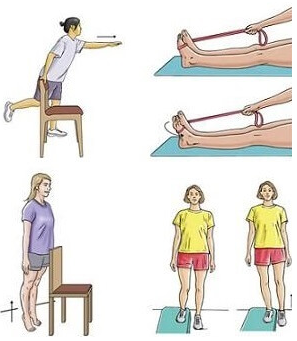
- Exercise therapy — Ankle resistance exercises with bands, peroneal strengthening, and most importantly balance training (single-leg standing, balance pad exercises, and proprioceptive training on unstable surfaces)
- Bracing and taping — Protects the ankle during exercise and prevents re-injury
- Injection therapy — Considered for areas of inflammation or adhesion in chronic ligament injuries
The focus of treatment is restoring balance and stability more than strength.
A Balance Test to Try at Home
- Can you stand on one leg for more than 10 seconds without wobbling?
- Can you keep your balance with your eyes closed?

If either one is difficult, your ankle stability may be reduced. This movement is both a test and a rehab exercise in itself. Try it in a safe place, increasing the difficulty little by little. In everyday life, it's good to make a habit of warming up before exercise, doing ankle-strengthening exercises regularly, avoiding unstable shoes, being careful on uneven ground, and completing proper rehab after any ankle sprain.
Final Thoughts
Ankle instability isn't just an aftereffect of a sprain; it's a functional problem with a high risk of recurrence. If you sprain your ankle often, we recommend getting evaluated by a rehabilitation medicine specialist and starting rehab to rebuild strength and balance. At Ssukssuk Rehabilitation Medicine Clinic, we decide on injection therapy, manual therapy, shockwave therapy, therapeutic exercise, and physical therapy based on your diagnosis.
Last reviewed: 2026-10-07 This article provides general medical information. Individual diagnosis and treatment decisions are made during an in-person consultation.