
Morning Finger Stiffness: Early Signs of Rheumatoid Arthritis | Bangbae
If morning finger stiffness lasts more than 30 minutes and keeps coming back, it's best to get checked early for rheumatoid arthritis.
When your fingers feel stiff and locked up after you wake, it's easy to assume it will pass. It may be temporary, but if it keeps happening, it can be an early sign of joint disease, and one of the main conditions to consider is rheumatoid arthritis. This guide is meant to help you decide when to see a doctor if morning finger pain and stiffness keep recurring.
Why finger pain and stiffness are worse in the morning
While you sleep, your joints barely move, so lubrication inside the joints decreases, and if there is inflammation, inflammatory substances build up. In rheumatoid arthritis, the synovium (the lining that surrounds the joint) becomes inflamed, making the joints swollen, painful, and stiff. That's why your fingers can feel especially stiff in the morning.
How morning symptoms of rheumatoid arthritis differ
There are some features that set it apart from stiffness caused by fatigue or aging:
- Morning stiffness lasts more than 30 minutes
- Fingers on both hands are affected symmetrically
- Finger joints are swollen and feel warm
- It's hard to make a fist
- Moving helps a little, but the stiffness doesn't fully go away
Simple muscle stiffness usually loosens up within a few minutes, while morning stiffness from rheumatoid arthritis lasts much longer.
Diagnosis relies mainly on history and physical exam
Rheumatoid arthritis shares many features with other types of arthritis, and similar symptoms can appear briefly after a viral infection, so it is diagnosed when symptoms persist for at least six weeks. Blood tests and X-rays are supporting tools. Even if a blood test shows rheumatoid factor, rheumatoid arthritis is not diagnosed if there are no symptoms.
Why early detection matters
Rheumatoid arthritis is an autoimmune disease, not just a pain condition. If treatment is delayed, it can lead to joint deformity, loss of function, and difficulty with daily life. After diagnosis, consistent treatment from the start is needed to control joint inflammation and prevent damage.
Rehabilitation alongside medication
Adding rehabilitation to medication goes a long way toward protecting hand function.
- Joint protection: Reduce overuse and repetitive finger movements.
- Exercise therapy: Gentle range-of-motion exercises, finger stretches, and strengthening. In the morning, it helps to soak your hands in warm water before exercising.
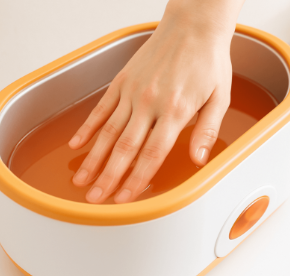
- Physical therapy: Heat therapy increases blood flow to ease stiffness, and electrical therapy reduces pain.
- Splints: Help prevent finger deformity and provide stability.
When to see a doctor
Get checked if morning finger pain and stiffness keep coming back, if symptoms are gradually getting worse, or if your fingers change shape or swell. The earlier the diagnosis, the more joint damage can be prevented. At Ssukssuk Rehabilitation Medicine Clinic in Bangbae, we assess your condition and plan any rehabilitation you need together.
Last reviewed: October 7, 2026 This article provides general medical information. Individual diagnosis and treatment plans are determined through an in-person consultation.