

Shoulder Pain from Scapular Dyskinesis: Causes and Rehab | Bangbae
If shoulder pain keeps returning, scapular movement and the balance of surrounding muscles need to be assessed — not just the shoulder joint.
Scapular dyskinesis is a condition in which abnormal movement of the scapula (shoulder blade) puts extra strain on the shoulder joint, causing pain and limited function. In other words, shoulder pain sometimes stems not from the shoulder joint itself but from how the shoulder blade moves. This guide is meant to help people with recurring shoulder pain take a look at the shoulder blade as well.

What the Shoulder Blade Does
Normal shoulder movement depends on the humerus, clavicle, and scapula moving in harmony. The scapula provides stable support when you raise your arm, helps the shoulder joint move properly, keeps the surrounding muscles balanced, and prevents shoulder impingement.
When you raise your arm, the humerus and scapula move together in a consistent ratio, known as scapulohumeral rhythm. When this balance breaks down, shoulder pain can develop.
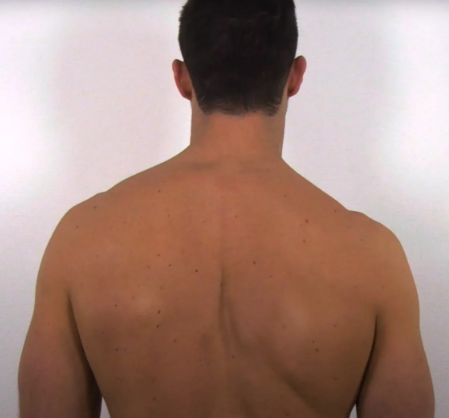
What Causes Scapular Dyskinesis?
- Long-standing poor posture such as forward head posture or rounded shoulders
- Weakness in the muscles around the shoulder
- Overactivity (excess tension) in certain muscles
- Repetitive arm use
- Shoulder injury or rotator cuff disorders
Office workers who spend a lot of time at a computer and heavy smartphone users are especially prone to imbalance in the muscles around the shoulder blade.
Symptoms That Often Appear Together
Moving the shoulder feels uncomfortable or painful, the arm feels weak when raised, the back of the shoulder and the area around the shoulder blade ache, or the shoulder feels like it catches when you move your arm. Winging scapula, where the shoulder blade visibly sticks out, can also occur. If your shoulder feels unstable or your movement feels awkward when you lift your arm, abnormal scapular movement may be the cause.
Rehabilitation-Focused Treatment
Most cases of scapular dyskinesis improve with rehabilitation and exercise therapy, without surgery.
Assessment and Treatment at Ssukssuk Rehabilitation Medicine Clinic
At Ssukssuk Rehabilitation Medicine Clinic in Bangbae, treatment is chosen after an individual assessment.
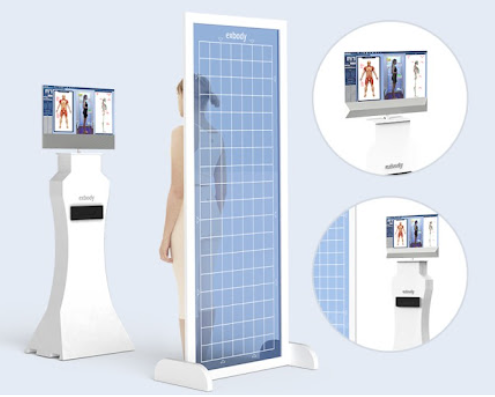
- Exbody : An assessment system that measures and analyzes body imbalances, postural misalignment, and left-right muscle asymmetry. After a full-body scan, the physician reviews the results with you and makes a diagnosis.
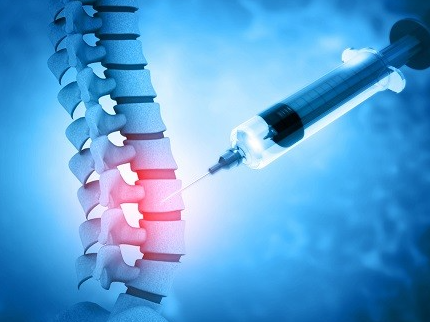
- Injection therapy : Performed by the physician directly, this non-surgical treatment reduces inflammation, relaxes muscles, and corrects imbalances to relieve pain and support tissue healing.
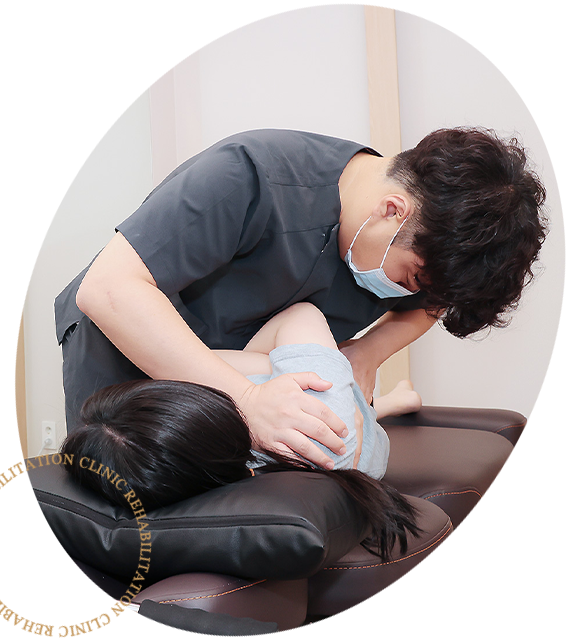
- Manual therapy and exercise therapy : A physical therapist specializing in manual therapy works with you one-on-one, using therapeutic massage where release is needed and personalized strengthening and stretching where rehabilitation is needed.
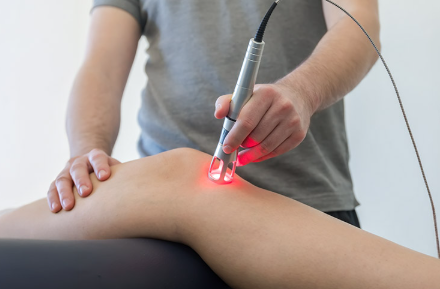
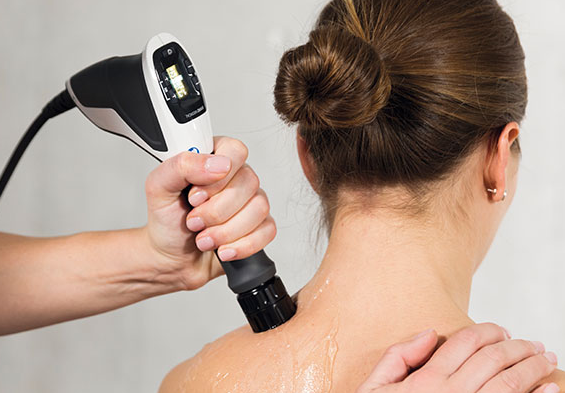
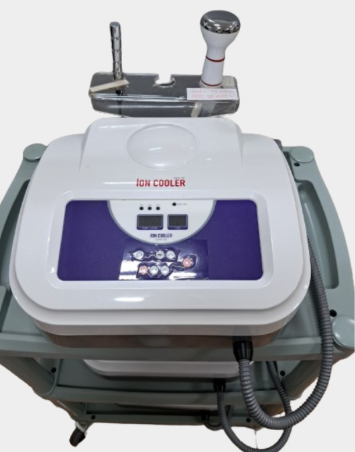
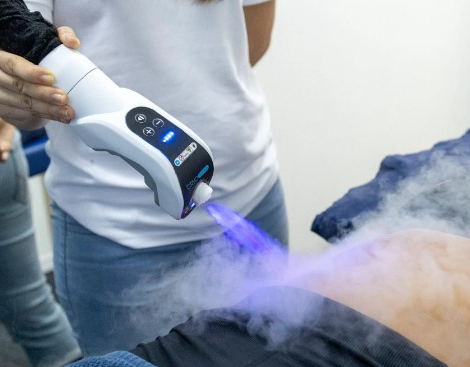
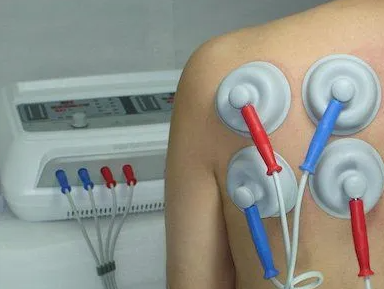
- Physical therapy equipment : We offer HILT laser therapy (high-power laser to increase blood circulation, reduce inflammation, and calm nerves), shockwave therapy (to promote healing of inflamed tendons, muscles, and ligaments), ion therapy (using heat, cold, and ultrasound), cryotherapy (brief exposure to extreme cold for pain relief), and ICT electrotherapy (electrical current to relieve pain deep in the muscles).
Final Thoughts
Scapular dyskinesis is less well known, but it's one of the important causes of shoulder pain. Rather than treating only the shoulder joint, assessing scapular movement and the balance of surrounding muscles together is what reduces recurring pain.
Last reviewed : 2026-10-07 This article provides general medical information. Individual diagnosis and treatment plans are determined through an in-person consultation.