
Outer Wrist Pain: TFCC Injury and HILT Laser Therapy | Seocho
If outer wrist pain gets worse when you twist your wrist, suspect a TFCC injury and start conservative treatment early.
Dismissing pain on the outer (pinky) side of the wrist as a minor sprain can lead to chronic pain. If it hurts when you twist your wrist or you feel a sharp pain on the outer side when lifting things, it may be a TFCC injury rather than a simple sprain — common in people who use their wrists repetitively, such as for computer work, sports, or caring for young children. Here's what the TFCC is, what symptoms it causes, and how HILT laser therapy is used.
The TFCC Is Your Wrist's Shock Absorber
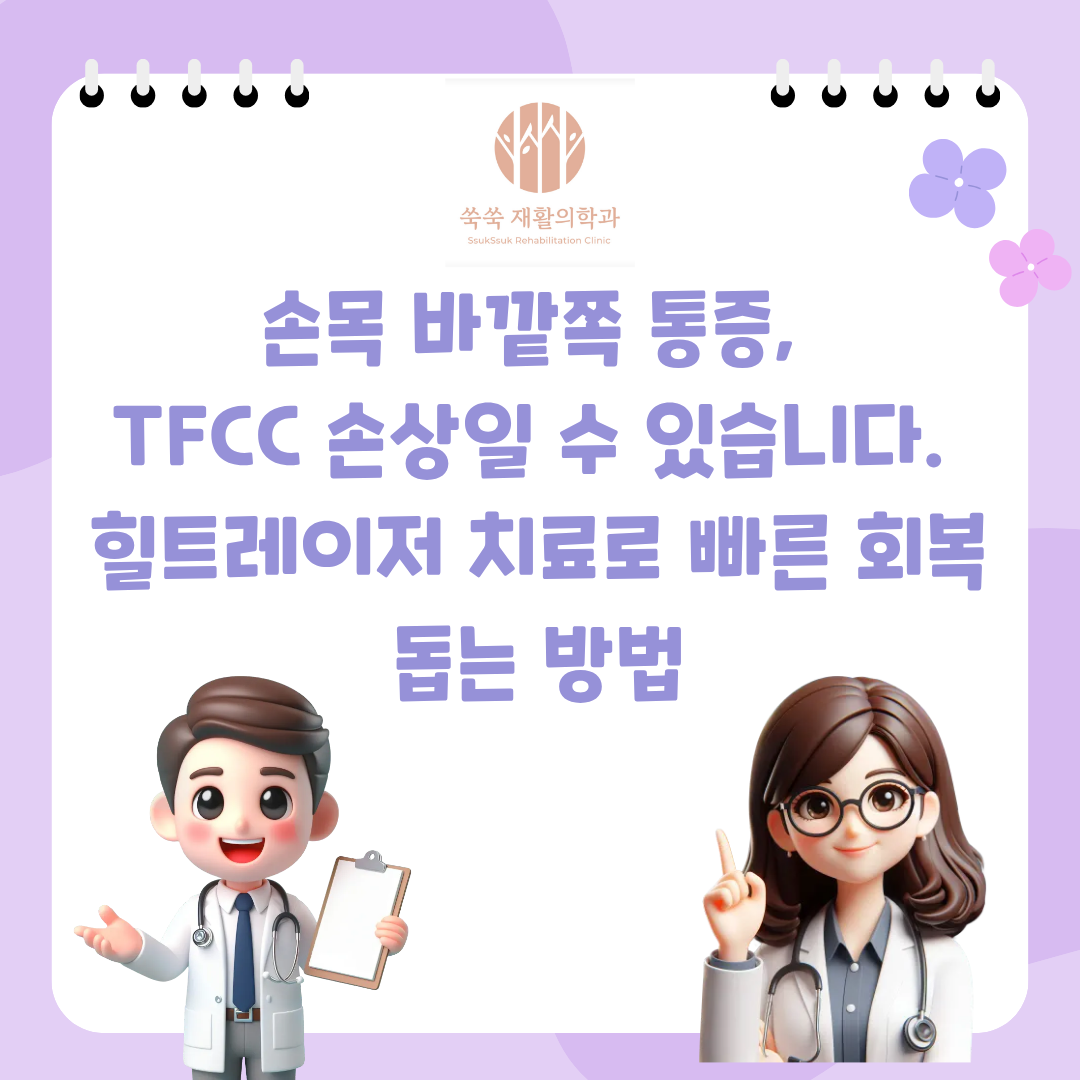
TFCC stands for triangular fibrocartilage complex. It sits on the pinky side of the wrist (the ulnar side), keeps the wrist stable, absorbs impact, and plays a key role in wrist rotation and load transfer. Think of it as a shock absorber combined with stabilizing ligaments. When it's injured, pain can increase when you twist your wrist or put weight on your hand.
Symptoms That Suggest a TFCC Injury
Typical signs include pain on the outer side of the wrist, pain when turning a doorknob or opening a bottle cap, a sharp pain when bearing weight on your hand, pain that worsens after exercise, a clicking sensation, and a feeling of weakness. Pain is often worst with twisting motions, such as turning a door handle, wringing out laundry, or rotating the wrist during sports.
Causes: Traumatic vs. Degenerative
Either way, untreated injuries can lead to chronic pain, so early treatment is important.
How Does HILT Laser Therapy Help?
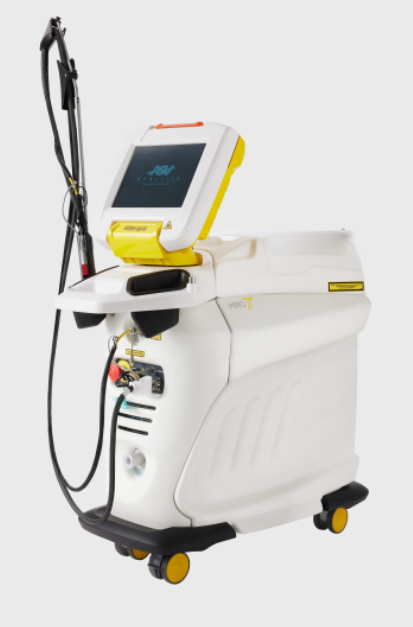
When a TFCC injury is in its early stage, it often improves with conservative treatment without surgery, so rest, immobilization, physical therapy, and rehabilitation are recommended first. One method increasingly used is HILT (high-intensity laser therapy), which delivers high-intensity laser energy deep into the injured area to reduce inflammation and pain.
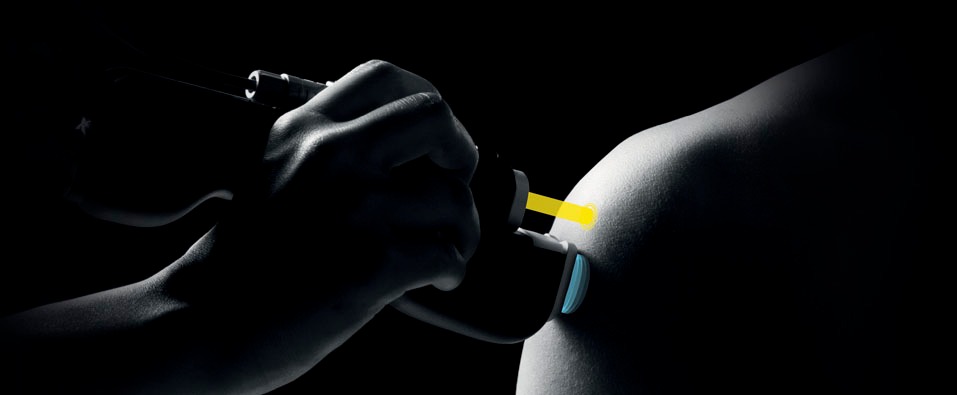
- Reaches deeper tissue : Energy reaches deeper layers than standard physical therapy, supporting recovery of the ligaments and soft tissue around the TFCC.
- Reduces pain : Dampens the inflammatory response and pain signaling, easing everyday discomfort.
- Speeds recovery : Improves microcirculation and supports tissue regeneration to help you recover sooner.
- Non-surgical : For early or partial injuries, symptoms may improve without surgery.
When to See a Doctor, and Summary
See a doctor if pain lasts more than two weeks, twisting your wrist is very painful, your hand feels weak, the pain keeps coming back, or it gets worse during exercise. TFCC injuries tend to heal faster the earlier they're treated. At Ssukssuk Rehabilitation Medicine Clinic in Seocho, we examine your wrist during a consultation and choose the right approach among HILT laser therapy, injection therapy, manual therapy, shockwave therapy, rehabilitative exercise therapy, and physical therapy.
Last reviewed : 2026-10-07 This article provides general medical information. Individual diagnosis and treatment plans are determined through an in-person consultation.