
Hip Bursitis: Causes and Symptoms of Outer Hip and Pelvic Pain
Pain on the outside of the hip that worsens when lying on your side may be hip bursitis, which often improves with rest and rehabilitation.
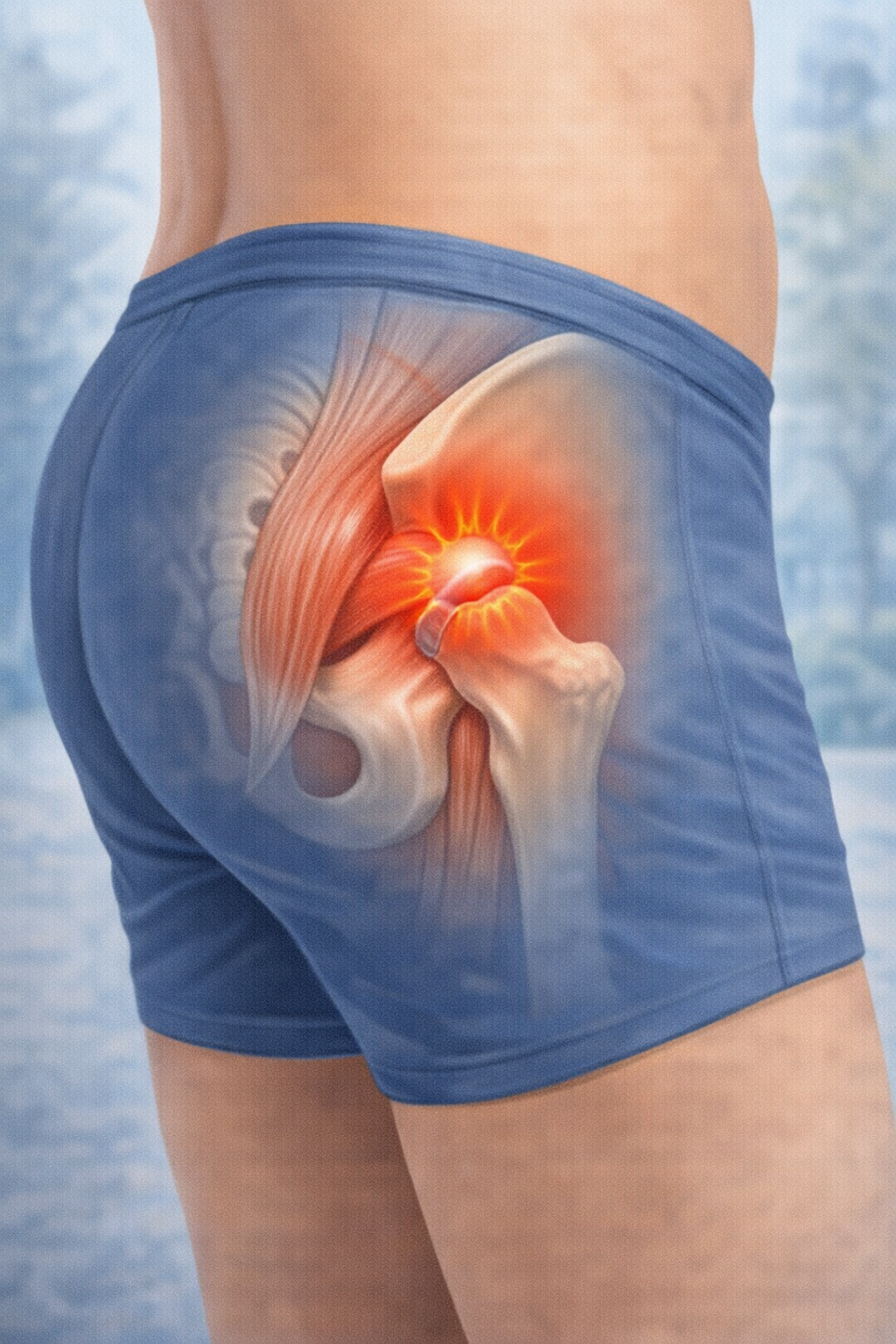
If, after a long walk, the outside of your hip throbs in the evening and hurts more when you lie on your side, hip bursitis is worth considering. When a structure that helps the hip joint move smoothly becomes inflamed, it causes pain and discomfort around the hip and pelvis. For those dealing with this kind of hip pain, here's an overview of the causes, symptoms, and treatment of hip bursitis.
What is hip bursitis?
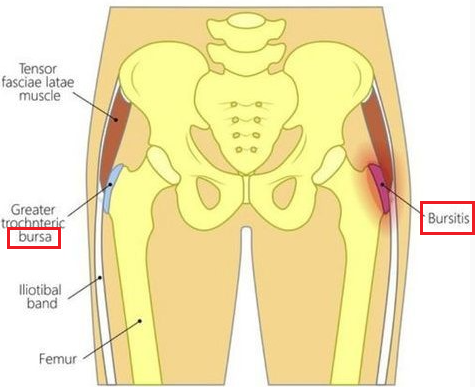
Around the hip joint are small sac-like structures called bursae. A bursa acts as a cushion that reduces friction between tendons and bone, helping the joint move smoothly. When the bursa over the greater trochanter, on the outside of the hip, becomes inflamed, it's called hip bursitis.
What irritates the bursa?
- Repetitive walking or activity — Using the hip over and over, such as long walks, hiking or running, or a sudden increase in exercise, builds up irritation in the bursa.
- Tight muscles around the hip — When the gluteal muscles or the muscles on the outer thigh are overly tight or out of balance, pressure on the bursa increases and strain on the outer hip grows.
- Posture and daily habits — Habits like sitting cross-legged or shifting your weight onto one leg keep pressure on the hip.
- Injury — The bursa can also become inflamed after a fall or a blow to the hip.
Symptoms to watch for if it hurts to lie on your side
- Pain on the outside of the hip
- Pain that worsens with long walks or climbing stairs
- Pain when lying on your side
- Tenderness when pressed
- Pain that gets worse after activity
If pain when lying on your side stands out among these, hip bursitis is the first possibility to check.
How is hip bursitis treated?
Points to remember
- Hip bursitis is inflammation of the bursa on the outside of the hip, causing hip and pelvic pain.
- It tends to develop with a lot of walking and activity or ongoing tension in the surrounding muscles, and it often improves with proper rest and rehabilitation.
- If pain on the outside of your hip continues or interferes with daily life, see a specialist for a diagnosis.
Last reviewed: 2026-10-07
This article provides general medical information. Individual diagnosis and treatment plans are determined through an in-person consultation.