

Tarsal Tunnel Syndrome: Ankle Pain, Numbness, and Treatment in Bangbae
Numbness in the sole and burning ankle pain at night may be tarsal tunnel syndrome, a compressed posterior tibial nerve. Most cases start with non-surgical care.
Most people have heard of carpal tunnel syndrome, but few know the ankle has a condition that works the same way: tarsal tunnel syndrome. If you've been blaming numbness in the soles of your feet or pain on the inside of your ankle on fatigue, this Q&A walks through its causes, symptoms, and treatment.

What is tarsal tunnel syndrome?
On the inner side of the ankle is a tunnel-like passage called the tarsal tunnel. The posterior tibial nerve runs through it.
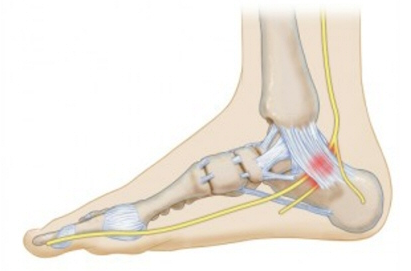
When the posterior tibial nerve is compressed inside this passage, the result is tarsal tunnel syndrome. In short, it's numbness and pain caused by a pinched nerve at the ankle.
What are the symptoms?
- Tingling, pins-and-needles numbness in the sole of the foot
- Ankle pain that gets worse with prolonged standing
- A burning or hot sensation in the foot at night
- Tenderness when pressing the inner foot or the area behind the ankle bone
Many people write this off as simple fatigue, but it may actually be a nerve compression problem.
What causes it?
How is it treated?
Treatment starts with non-surgical care, and most people improve at this stage.
- Weight distribution and insoles — Arch-support insoles correct flat feet and reduce pressure on the nerve.
- Physical therapy and nerve release — Nerve gliding exercises and relaxation of the muscles around the ankle.
- Medication and injections — Anti-inflammatory medication, with nerve injections considered if needed.
- Lifestyle changes — Spending less time standing, easing the load on the ankle, and switching to cushioned shoes.
When should I see a doctor?
- When numbness keeps getting worse
- When sensation in your toes becomes dull
- When ankle pain lasts more than two weeks
Left untreated, nerve damage can slow your recovery.
How care is organized at Ssukssuk Rehabilitation Medicine Clinic
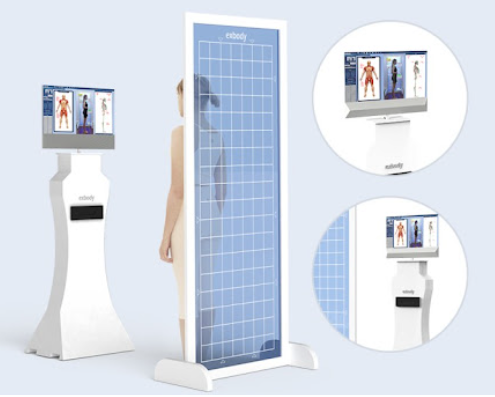
Diagnosis begins with a detailed individual assessment. Exbody is an assessment device that measures and analyzes postural imbalance, misalignment, and left-right muscle asymmetry; after a full-body scan, you'll have a consultation and diagnosis with the physician.

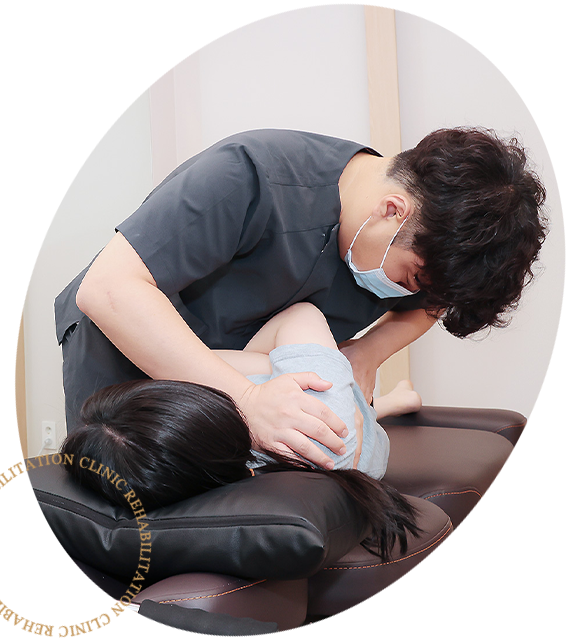
Injections are performed by the physician personally. They are a non-surgical treatment that supports pain relief and tissue healing by reducing inflammation, relaxing muscles, and correcting imbalances. Manual therapy and exercise therapy are provided one-on-one by a physical therapist specializing in manual therapy: areas that need release are treated with therapeutic massage, and areas that need rehabilitation are addressed with personalized strengthening and stretching.
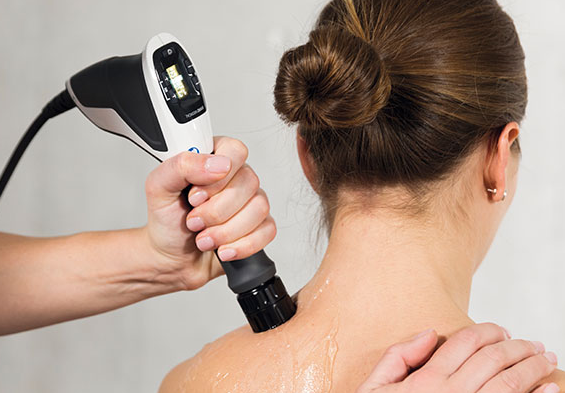
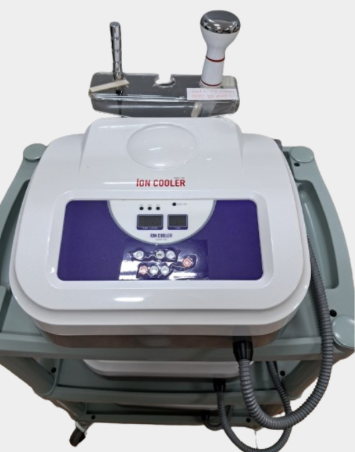
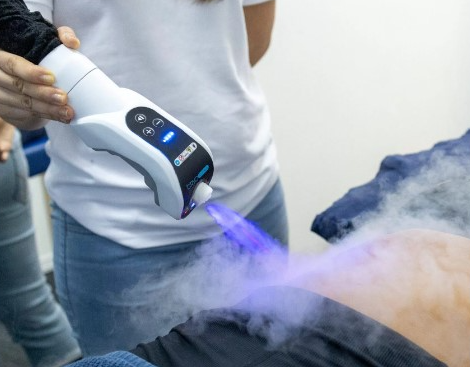
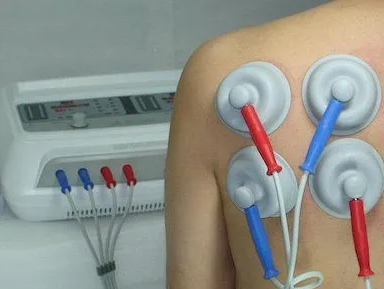
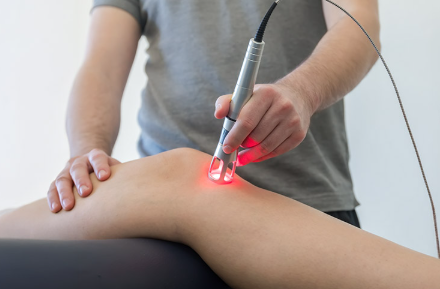
Our physical therapy equipment includes HILT, a high-intensity laser for soft tissue; shockwave therapy, which delivers shockwaves to tendons, muscles, and ligaments; ion therapy using heat, cold, and ultrasound; cryotherapy, which briefly stimulates the painful area with extreme cold; and ICT, an electrical current therapy.
Quick summary
- Tarsal tunnel syndrome is numbness and ankle pain caused by compression of the posterior tibial nerve in the tarsal tunnel on the inner ankle.
- Flat feet, lingering effects of an ankle sprain, long hours on your feet, and diabetes or swelling are the main causes.
- Non-surgical care such as insoles, nerve release, medication or injections, and lifestyle changes is the standard approach. If the numbness gets worse, see a doctor.
Last reviewed: 2026-10-07
This article provides general medical information. Individual diagnosis and treatment plans are determined through an in-person consultation.