
Flat Feet: How They Affect Whole-Body Alignment and How to Manage Them
Flat feet are more than a foot shape; they can throw off the alignment of your knees, pelvis, and lower back, so structure and function should be assessed and managed together.
To start with the conclusion: flat feet are not just a matter of foot shape but a factor that affects the alignment of the whole body. They are also linked to knee, pelvic, and low back pain, so before brushing things off with "it's just because I have flat feet," the way your feet function should be checked as well. Here we compare how normal feet and flat feet work differently and explain how rehabilitation medicine manages flat feet.
Normal Feet vs. Flat Feet: What's the Difference?
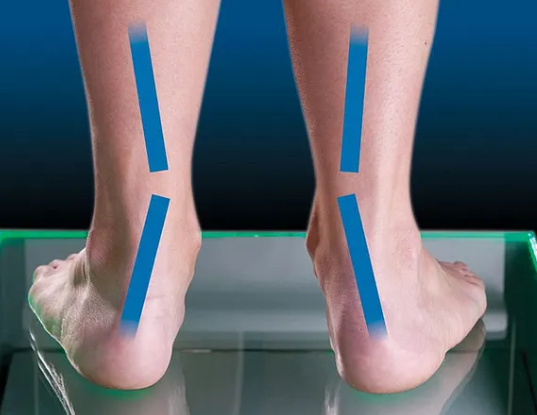
Flat feet are a condition in which the arch of the foot has collapsed so that nearly the entire sole touches the ground. The arch absorbs impact when you walk and run and distributes body weight, but with flat feet this function doesn't work properly.
The Chain of Pain That Starts with Flat Feet
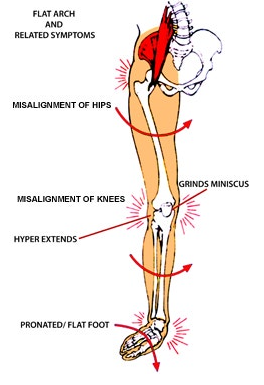
When flat feet fail to absorb impact, foot pain can lead in turn to knee pain and then low back pain. Overpronation, in which the foot collapses inward, twists the alignment of the entire leg and increases the load on the knee cartilage.
When the foot is less stable, the surrounding muscles work that much harder. The calf and sole muscles in particular become overly tense, tire quickly, and start to hurt.
The shift in alignment keeps traveling upward. At the end of a chain reaction from the foot to the knee, pelvis, and lower back, the pelvis can become misaligned and the load on the lower back increases, sometimes resulting in chronic low back pain.
Check for Flat Feet If You Notice These Signs
- Your feet tire quickly when you walk for a long time
- The soles of your feet or your heels hurt
- You often have pain on the inside of your knee
- The inner soles of your shoes wear out faster
- Your ankles appear to tilt inward when you stand
If several of these apply, you may have functional problems caused by flat feet.
Flat-Foot Care in Rehabilitation Medicine Is More Than an Insole
Flat feet are treated by assessing both the cause and function.
- Orthotics (insoles): Support the arch of the foot to help distribute body weight.
- Exercise therapy: Strengthens the foot muscles and stabilizes the calves and ankles.
- Posture and gait correction: Corrects faulty gait patterns and weight distribution.
- Physical therapy: Reduces pain and relaxes muscles.
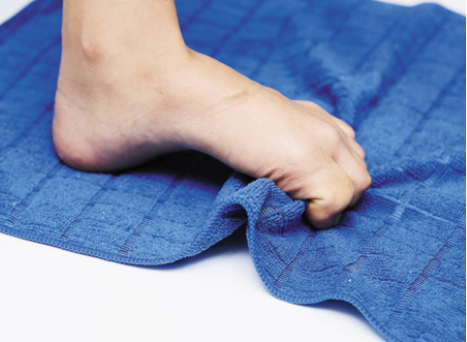
The key is to improve the structure and function of the foot at the same time. At home, consistently doing towel scrunches with your toes, arch-lifting exercises, and calf stretches helps build the foot's ability to support you.
Closing Thoughts
With early care, you can live with flat feet without major problems, but left alone, the effects can spread to the knees and lower back. Get evaluated and start care before a small change in your feet becomes pain throughout your body. At Ssukssuk Rehabilitation Medicine Clinic in Bangbae, we use Exbody to measure postural imbalance and left-right asymmetry together, so we can see how flat feet are affecting your body's alignment.
Last reviewed: 2026-10-07 This article provides general medical information. Individual diagnosis and treatment plans are determined through an in-person consultation.