
Nighttime Calf Cramps: Causes and Care | Bangbae Rehab Clinic
Calf cramps that strike night after night can signal more than fatigue—fluid, electrolyte, circulation, or nerve issues—so care should match the cause.
In the middle of the night, your calf suddenly locks up so painfully it takes your breath away and wakes you. The medical term for this "charley horse" is a muscle cramp. It usually eases within seconds to minutes, but if it happens night after night, your body may be sending you a signal. Here we compare cramps you can chalk up to fatigue with those that need their cause investigated, and explain how to manage them from a rehabilitation medicine perspective.
Why Do Calf Cramps Happen?
A calf cramp is a sudden, strong, involuntary contraction of a muscle, and it's especially common in the calf muscle (gastrocnemius). Often it's not one cause but several overlapping.
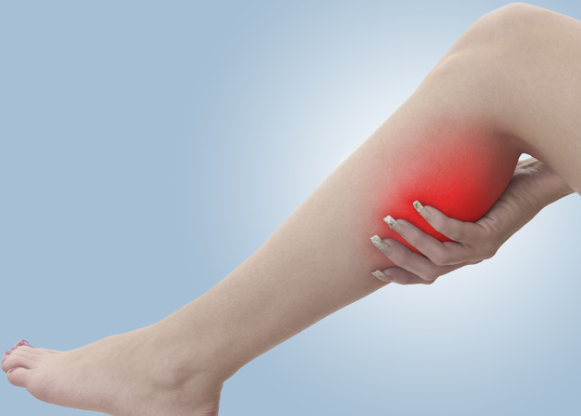
Muscles rely on electrolytes such as calcium, magnesium, potassium, and sodium to work, and low magnesium and potassium are known to be associated with muscle cramps. Nighttime leg cramps (nocturnal leg cramps) are commonly seen in people in their 50s and older.
Fatigue Cramps vs. Cramps That Need a Checkup
If you fit the right-hand column, your calf cramps may actually originate in your lower back, so it's a good idea to see a doctor.
How to Relieve a Cramp When It Hits
Rather than forcing movement, start by slowly stretching the muscle. Keep your knee straight, pull your toes toward you, and hold the stretch in your calf slowly for 20 to 30 seconds. Adding a gentle massage or a warm compress helps the muscle relax.
Habits That Reduce Calf Cramps
- Drink water regularly, spread throughout the day.
- Stretch your calves and hamstrings before and after exercise.
- Build muscular endurance and circulation with regular strength training.
- If you've been sitting for more than an hour, get up and walk or move around.
- Eat a balanced diet that includes calcium, magnesium, and potassium.
In Summary
Anyone can get calf cramps, but if they often wake you up or recur enough to affect your daily life, fluid, electrolyte, circulation, and nerve issues should all be checked. At Ssukssuk Rehabilitation Medicine Clinic in Bangbae, we evaluate your muscle condition and nerve function to find the cause and guide you to the right treatment and exercises.
Last reviewed: 2026-10-07 This article provides general medical information. Individual diagnosis and treatment plans are determined through an in-person consultation.