
Knee Pain on Stairs in Bangbae: Four Common Causes
Knee pain on stairs isn't just about aging; telling apart patellofemoral pain syndrome, weak muscles, and alignment problems is how you find the right treatment.
Many people dismiss achy knees on the stairs as just part of getting older. But behind knee pain on stairs, there are several possible causes besides worn-down cartilage. For people in Bangbae dealing with knee pain, we've compared four causes side by side so you can get a sense of which might apply to you.
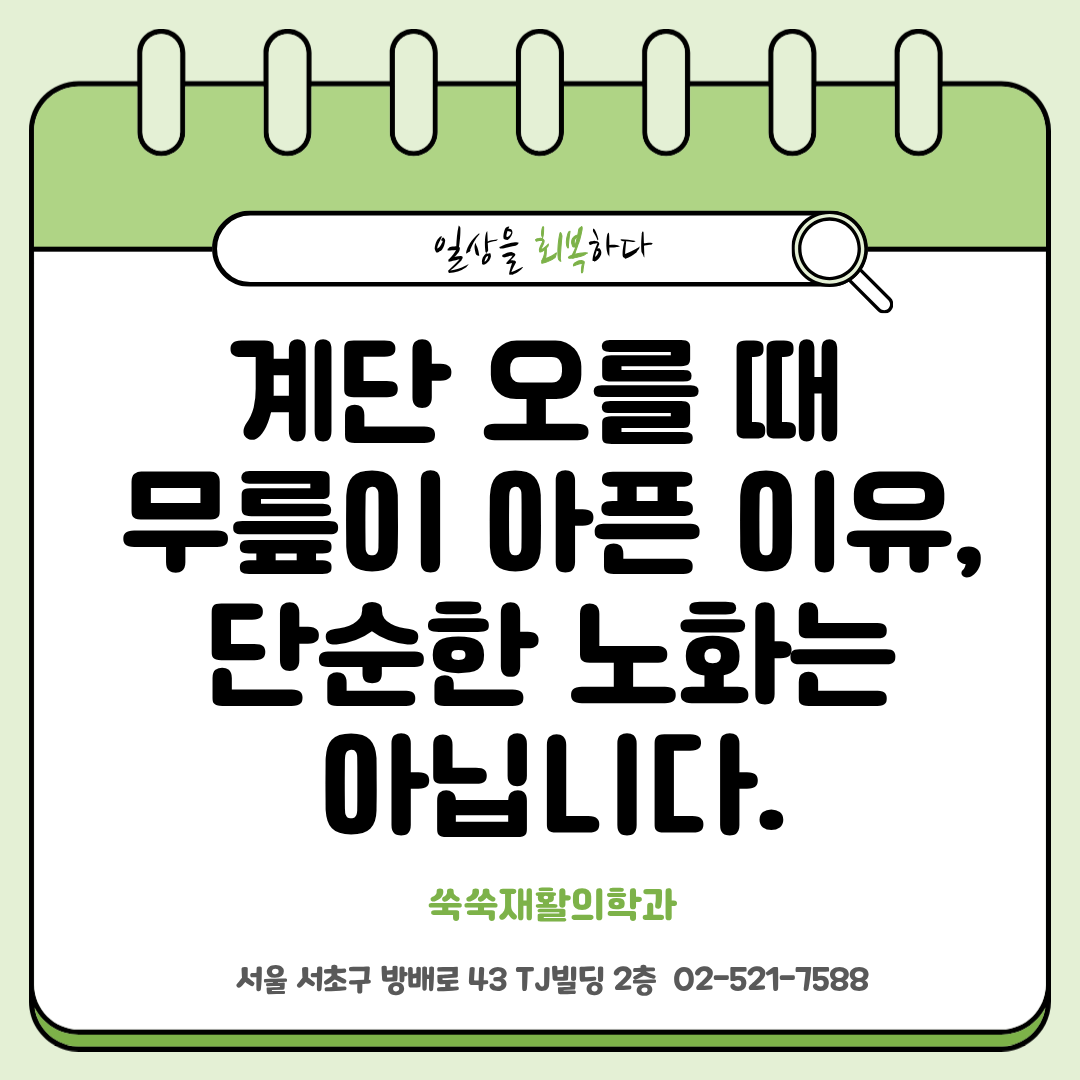
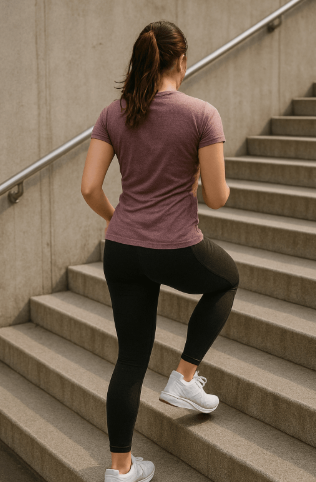
Stairs Put Much More Force on Your Knees Than Level Ground
When you climb stairs, you have to support your body weight on one leg and push yourself upward. Your knee joint bears a greater load than when walking on level ground, and as the muscles at the front of the thigh contract hard, the pressure on the kneecap and joint also rises. That's why knees that feel fine most of the time hurt only on stairs.
Complaints like "I get a sharp twinge when I stand up from a chair" or "it hurts more after hiking" come from the same mechanism.
Four Causes of Knee Pain on Stairs Compared
As the table shows, not all knee pain on stairs is degenerative arthritis. In younger people, patellofemoral pain syndrome or muscle weakness is often the cause, while in middle-aged and older adults, degenerative arthritis or tendon problems are more common.
What Signals Is Your Knee Sending?
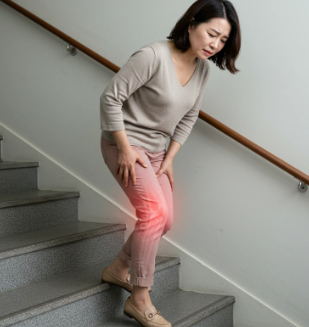
- Pain at the front of the knee when climbing stairs
- Stiffness when standing up after sitting a long time
- Pain when squatting
- Discomfort along with a "clicking" sound
- Pain that gets worse after hiking
Rehabilitation Medicine Looks Beyond the Knee
We don't just look at the knee; we also assess foot alignment, hip movement, thigh strength, and gait. If needed, we check the cartilage, ligaments, and tendons with X-ray, ultrasound, or MRI, and combine exercise therapy, manual therapy, physical therapy, and medication depending on your condition. Strengthening the thigh and buttock muscles is a cornerstone of reducing the load on the knee.
In daily life, please also keep these in mind:
- Keep strengthening your thigh muscles
- Maintain a healthy weight
- Stretch before and after exercise
- If you have flat feet, wear shoes that fit your feet properly
- Cut back on hiking and stair workouts when your knees hurt
Closing Thoughts
If knee pain on stairs keeps coming back, don't write it off as age; find out the cause first. Combining treatment and exercise matched to the cause can help reduce pain and everyday discomfort.
Last reviewed: 2026-10-07 This article provides general medical information. Individual diagnosis and treatment plans are determined through an in-person consultation.