
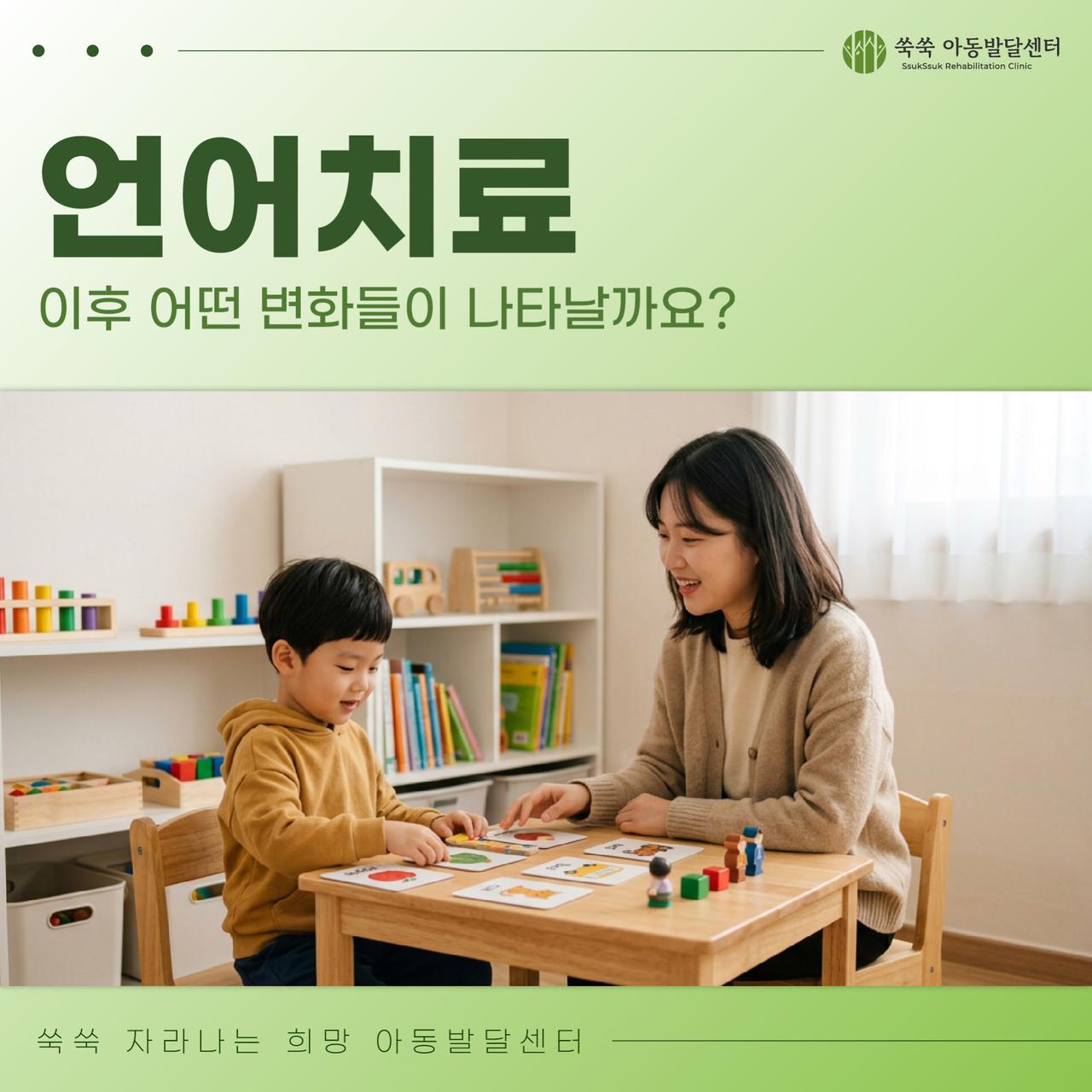
Speech Therapy Progress in Daechi: Changes Beyond Word Count
Progress in speech therapy may show up first as more attempts to communicate, responding, and imitating, before more words.
Progress in speech therapy may show up first as changes in how your child takes part in communication, before you see more words. Once therapy starts, it's natural to want to see your child's vocabulary grow and hear them speak in sentences soon. For parents looking into speech therapy at a child development center in Daechi, here's what else to watch for besides a growing word count.
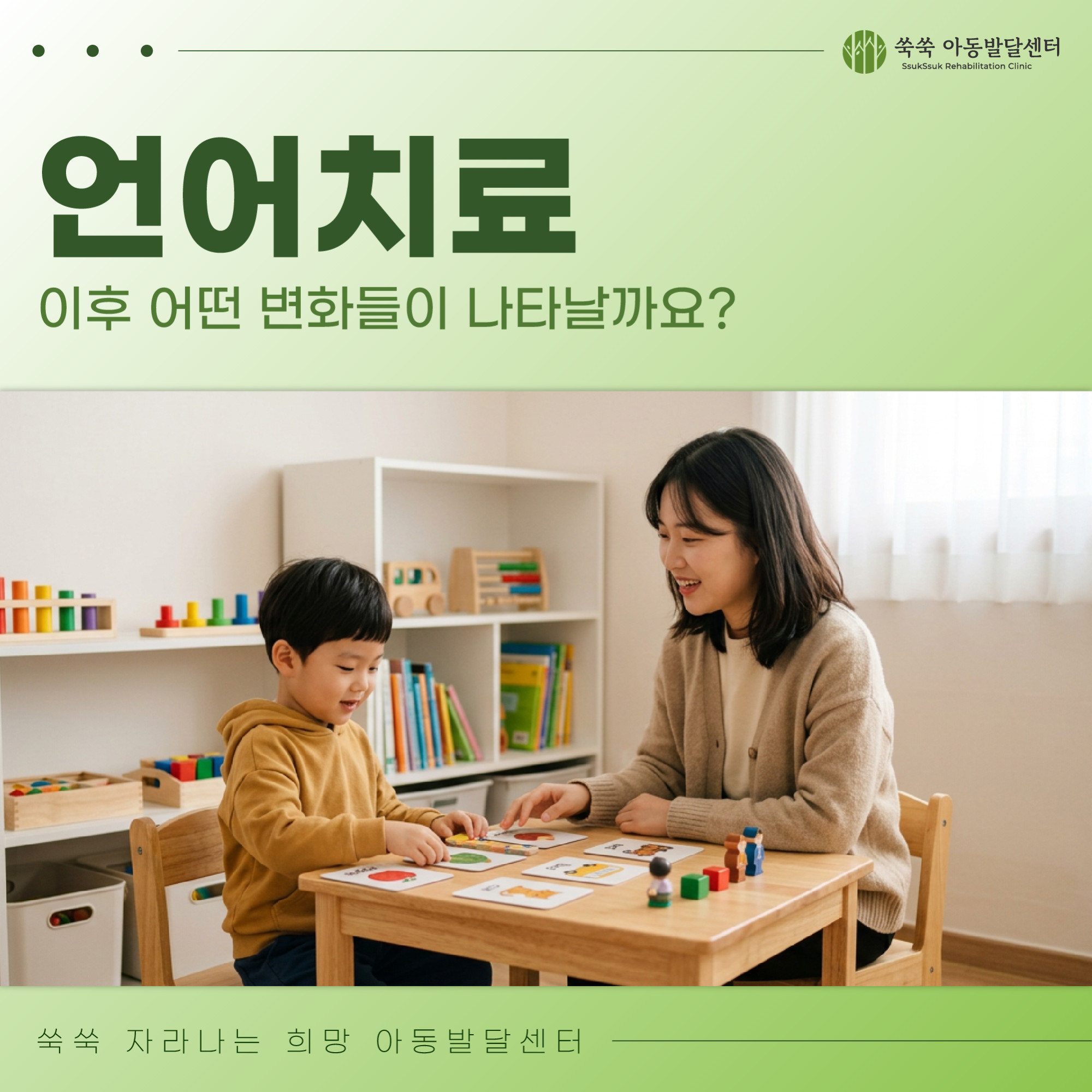
Language doesn't grow just by memorizing words
A child's language develops as several processes grow together: listening to and understanding what others say, connecting what they hear to meaning, expressing their own thoughts, and going back and forth with another person.
That's why, early in speech therapy, the less visible changes, such as how your child takes in what's said or tries to get a message across, may come before their vocabulary grows. If a child who used to cry or only point when they wanted something starts using sounds or gestures to let you know, or waits for your response, they are building the foundation for using language.

The changes you expect vs. the changes that may come first
Every child struggles in different areas, so early changes look different too. Before you see a visible jump in words, many of the building blocks for communication are changing together as language develops.

The same word used differently reflects a different skill
Repeating exactly what someone said and using a word to mean what you intend are two different language skills. To express themselves, a child first needs to understand what others say and connect it to the situation and its meaning. So language development means looking not only at what a child says but also at their understanding, how they pay attention, and how they interact with others.
Some children use few words but understand others well and want to express themselves, while others know many words but have a hard time using them in real situations. Progress in speech therapy is likewise measured less by how much a child talks and more by how the way they use language changes.
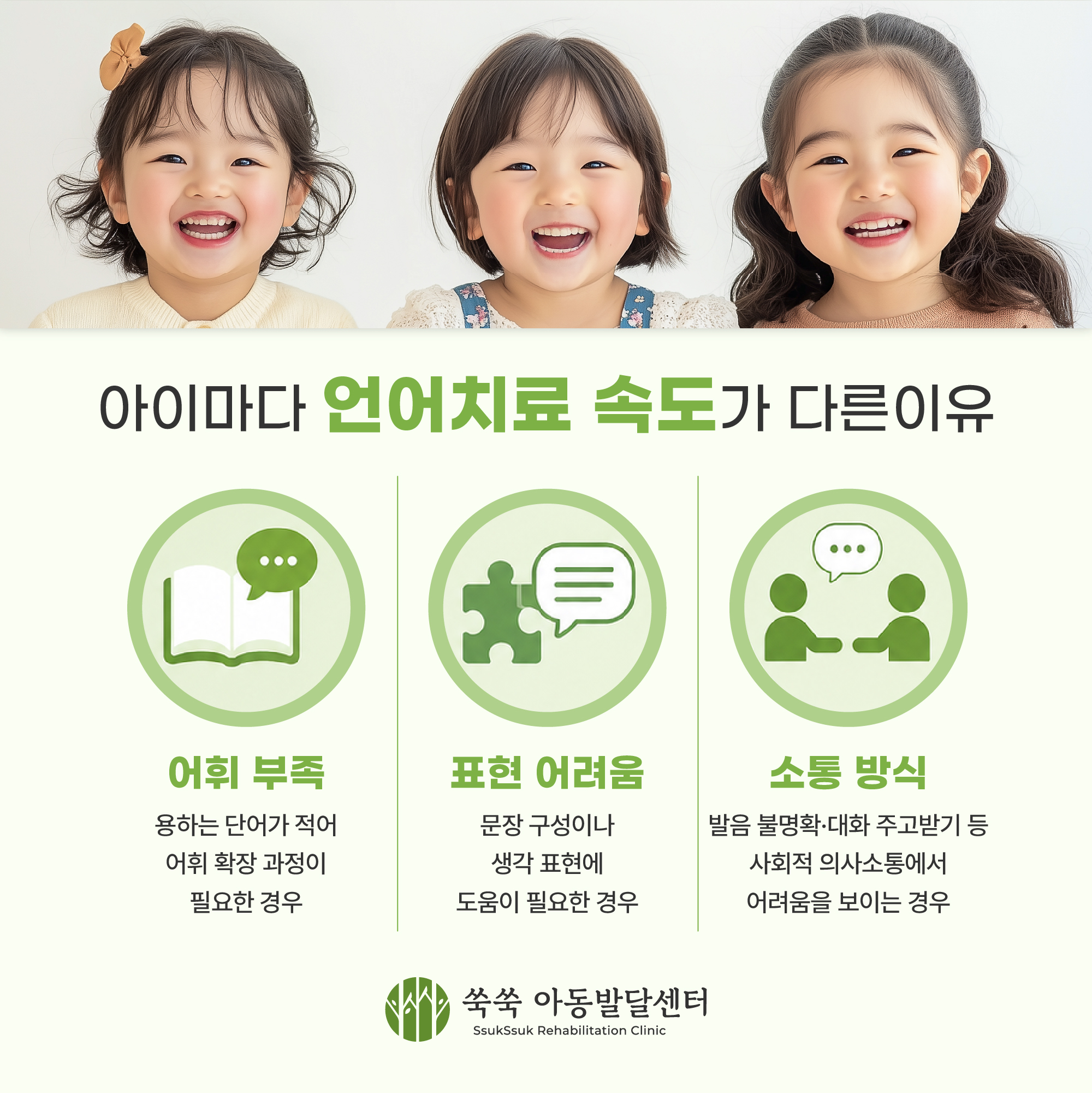
Why does progress happen at different speeds for different kids?
Even with the same speech therapy, when and how changes appear differs from child to child, because each child struggles in different areas of language.
- A child who uses few words and needs to build vocabulary
- A child who needs help putting sentences together or expressing thoughts
- A child whose pronunciation isn't clear
- A child who finds back-and-forth social communication difficult
That's why speech therapy doesn't set the same goals for every child. We first understand your child's current language level and challenges, then work in the direction they need. When you look for progress, compare your child to where they were before, not to other children.

What to keep in mind when looking at speech therapy progress
What speech therapy ultimately builds isn't more words. It's the ability to express thoughts and feelings, communicate needs, and connect naturally with others. Learning to talk doesn't stop at remembering words; it continues into using them in the right situations and sharing meaning with others.
Along with "How many words can they say now?", look at whether your child is trying to express themselves and reaching out to communicate with the people around them more. Small changes add up to form the foundation for language development, so rather than waiting only for quick results, it's important to understand what is growing right now and keep supporting it.
Last reviewed: 2026-10-07 This article provides general information. Your child's developmental needs and treatment plan are determined through consultation and assessment.