
Cognitive Therapy
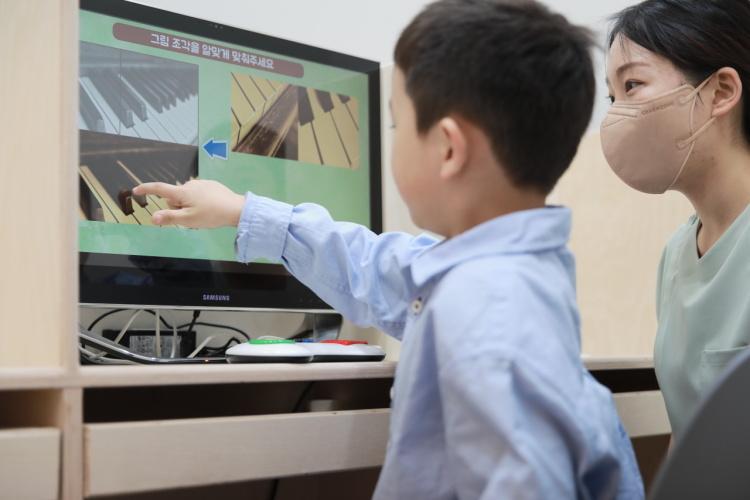
We assess attention, memory and problem-solving, then discuss individual, computer-based or group cognitive therapy as appropriate.
When to seek a consultation
- A child who has plateaued during ongoing speech therapyIf progress in language therapy is slow, we assess whether attention, memory or information processing also needs support.
- A child aged three or older with language delayFor children 3+ who imitate words but are slow to build sentences or grasp cause-and-effect.
- A child with delayed sensory-perceptual integrationWe assess visual or auditory processing and hand-eye coordination difficulties to select appropriate activities.
- A child about to start school who needs to adapt to group lifeFor children needing group-life skills like sitting still and following instructions before school; we raise readiness.
Areas assessed
We assess attention, memory, executive function, language, visual and auditory perception, and hand-eye coordination. Tools and activities are selected for the child’s level and adjusted over time.
How it works
1. In-Depth Cognitive Assessment
An in-depth assessment of cognition, attention, memory, reasoning and problem-solving gauges ability and potential.
2. Occupational-Cognitive 1:1 Therapy
Puzzles, games and worksheets stimulate cognition and build fine-motor, visual perception, focus and memory.
3. Computerized Cognitive Therapy (COGITO) in Parallel
The game-style COGITO program aids brain and cognition, run 1:1 or in groups.
Precautions
- Group therapy begins after preliminary 1:1 sessionsAfter 1:1 sessions assess temperament, threshold and development, we match peers for synergy.
- About home coachingContinue the activities recommended for home. Discuss your child’s response and any difficulties with the therapist at the next session.
FAQ
Combined therapy is discussed when assessment identifies needs in both language and cognition. Cognitive therapy is not required for every language delay; the plan follows findings and response.
Discuss your child’s assessment and therapy
Please call the Child Development Center on 02-521-7577 to discuss a visit.