
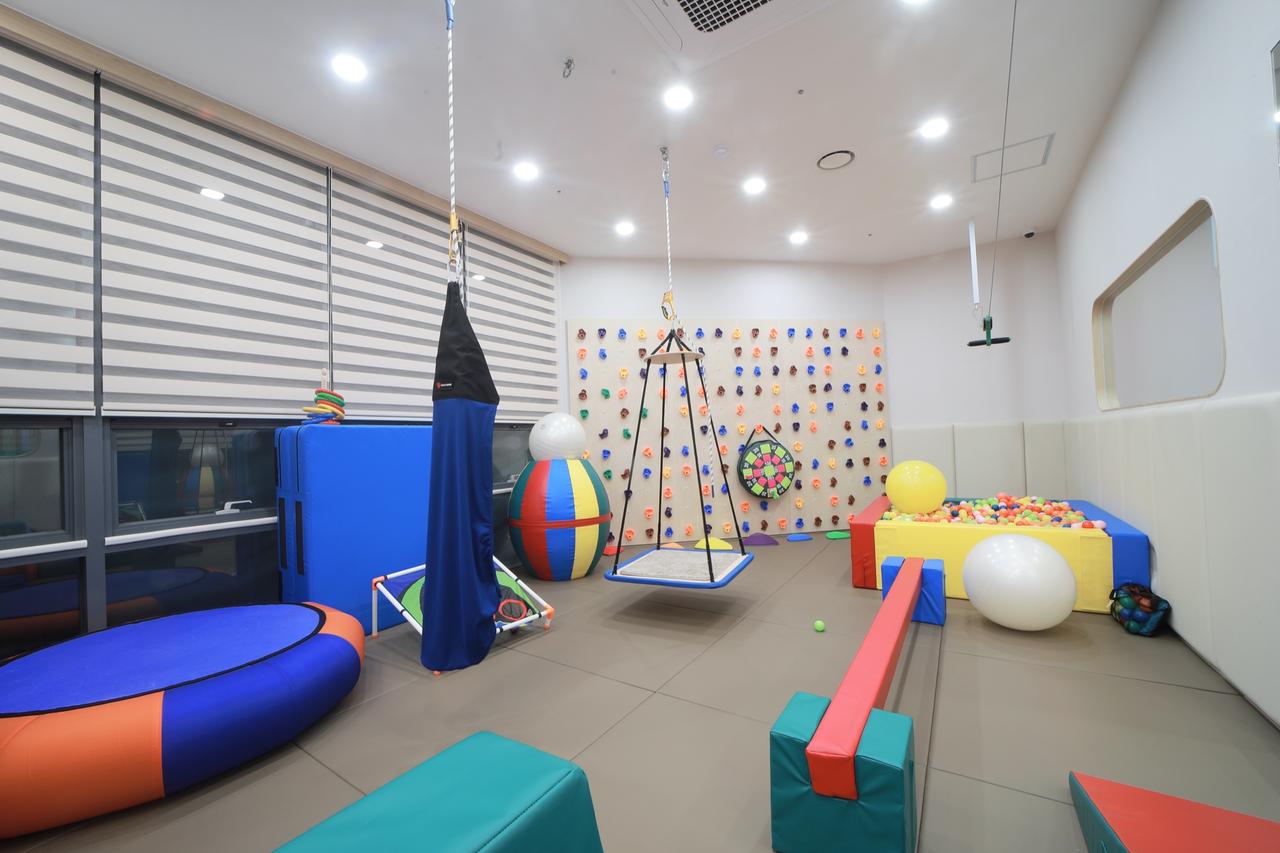
Sensitive to senses, learning through play
Children who are unusually sensitive or under-reactive to sound, touch and movement learn to regulate their senses through play on swings and in ball pits, one-to-one.
What we check first
We first see how your child responds to sound, touch and movement and what is hard day to day. The occupational therapist builds play activities around that.

So the brain regulates the senses
Helping organize sensory input like sight, touch, and balance.

Play-based occupational therapy
Nationally licensed occupational therapists lead through play.

Grounded in Ayres's theory
A therapeutic approach grounded in sensory-integration (Ayres) theory.
Signs worth a visit

눈맞춤이 짧고 상호작용이 적은 아이

지시 수행을 어려워하는 아이

감각이 예민하거나 둔감한 아이

몸놀림이 서툰 아이

집중과 어울림이 힘든 아이
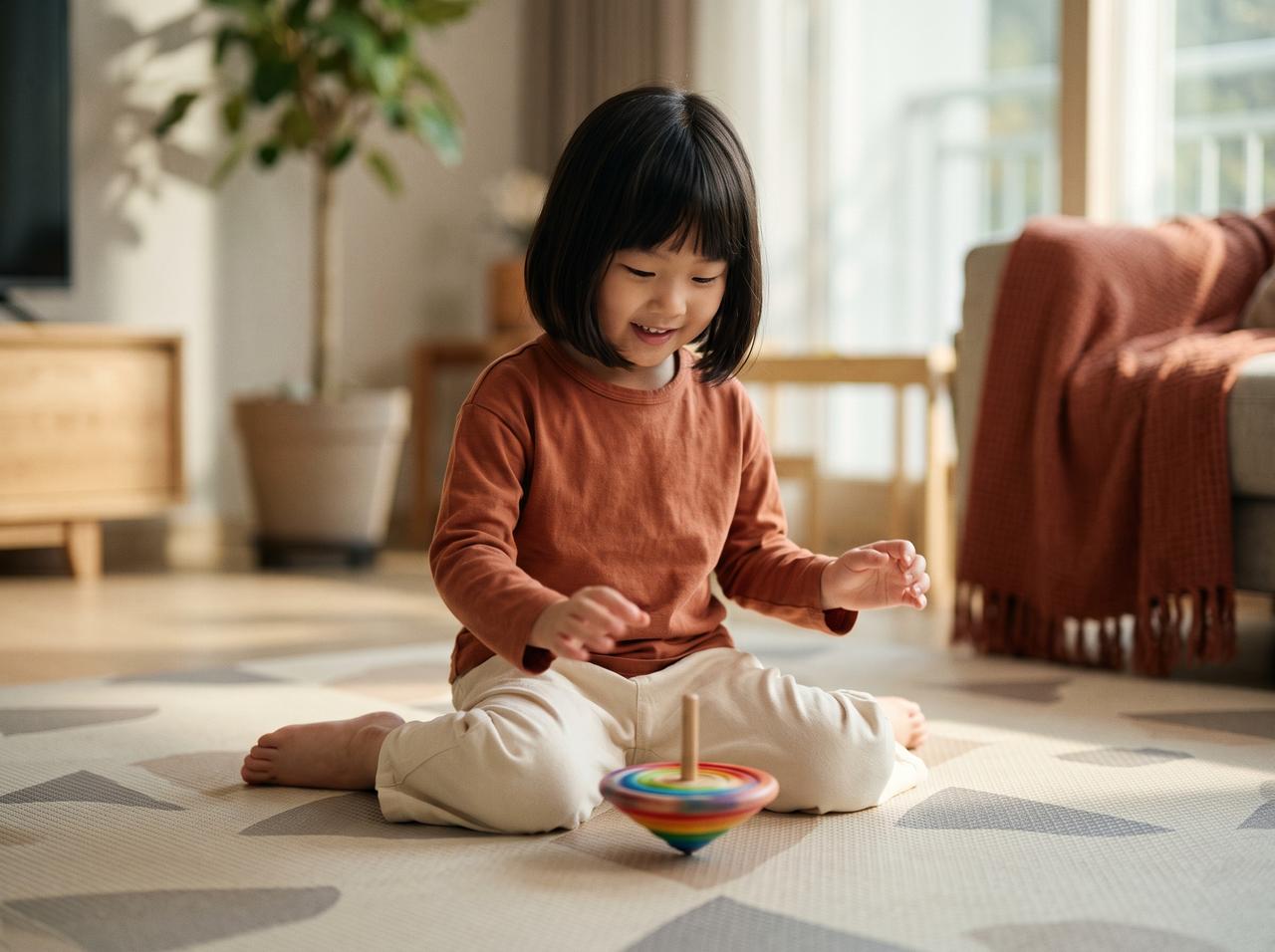
감각추구·상동행동을 보이는 아이
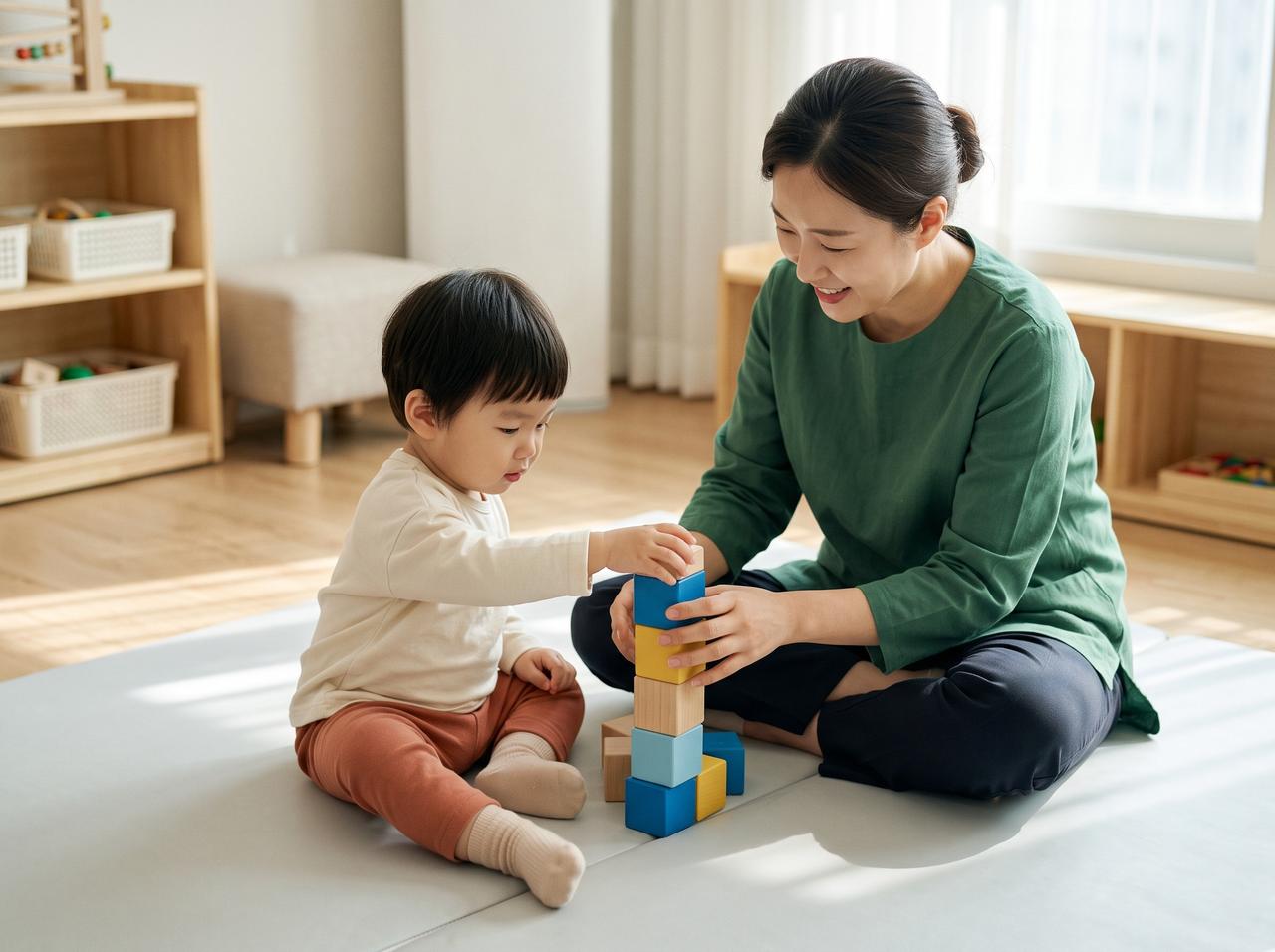
전반적 발달이 느린 아이
From play to daily activities
We observe posture, movement control and interaction during play. Difficult daily activities are discussed with caregivers to set therapy goals.
How sensory integration goes
1. Checking sensory processing
Sensory regulation tests, Denver, parent interview and clinical observation show processing and daily function
2. Analysis & Treatment Direction
We link what we observed to the daily activities that are hard, and set goals.
3. Play-Centered Personalized Sessions
Movement and play are adjusted to the child’s responses while participation is observed.
Before therapy
Tests are chosen to fit your child at the consultation. The physician selects standardized tests according to symptoms and behavior. Please continue the activities you learn at home, and talk to your therapist at the next session about anything that feels difficult.
Reading on sensory needs
Articles for parents who want to know more about sensory integration therapy.

Sensory Integration Therapy Near Seocho Station: Assessment to Therapy
For parents worried about a child who can't sit still or is sensitive to sound, here is what sensory processing assessment covers and how play-based Sensory Integration Therapy works at our Development Center near Seocho Station.

Child Sensitive to Touch: Tactile Sensitivity and Sensory Development
For parents whose child cries over sock seams or clothing tags: causes of tactile sensitivity, ways to help at home, and signs that call for a consultation.

Struggling in Gym Class? Coordination and Sensory Integration Therapy
For parents of a child who struggles with catching a ball or jumping rope: what coordination means, why to look at it before blaming athletic ability, and how sensory integration therapy helps.
Explore our treatment spaces
See where your child will be treated
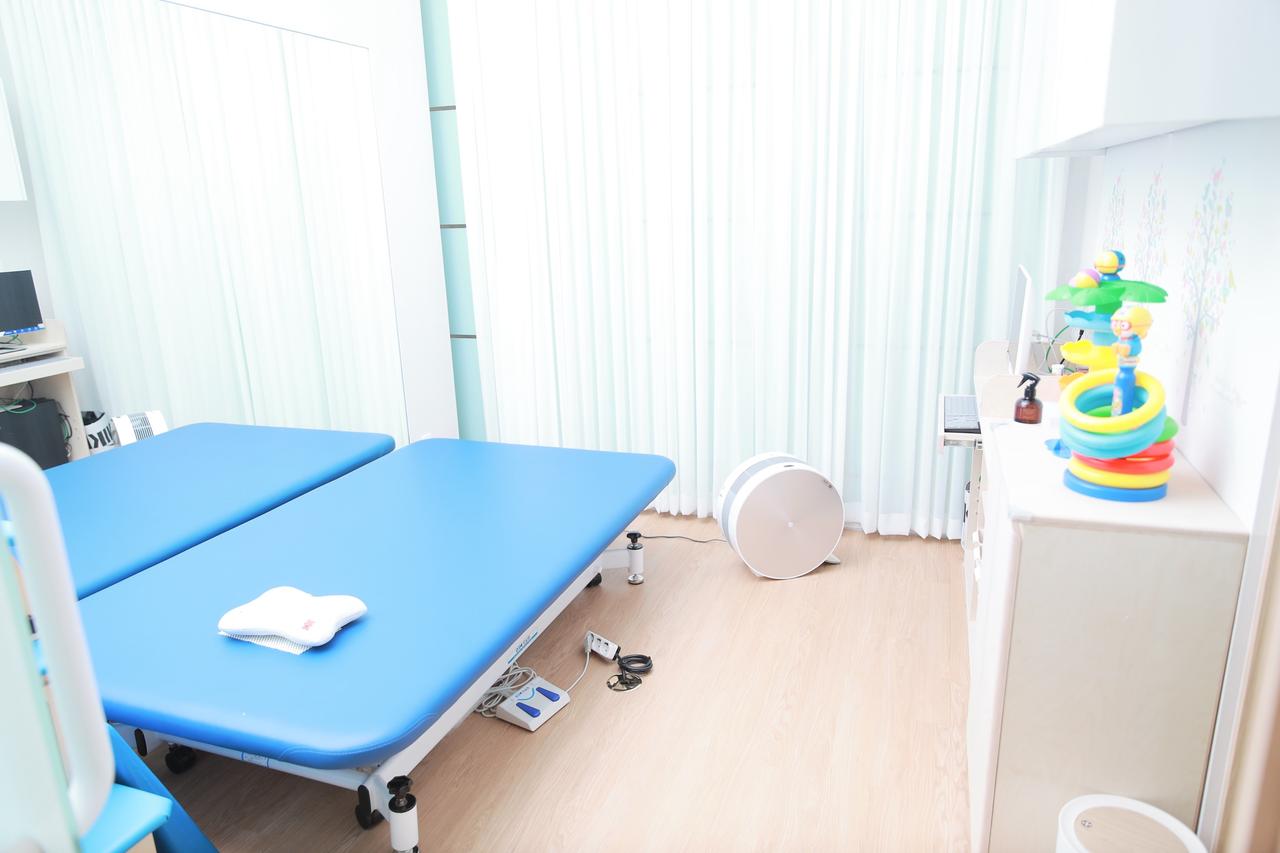
Consultation Room
Where we listen fully and explain in detail
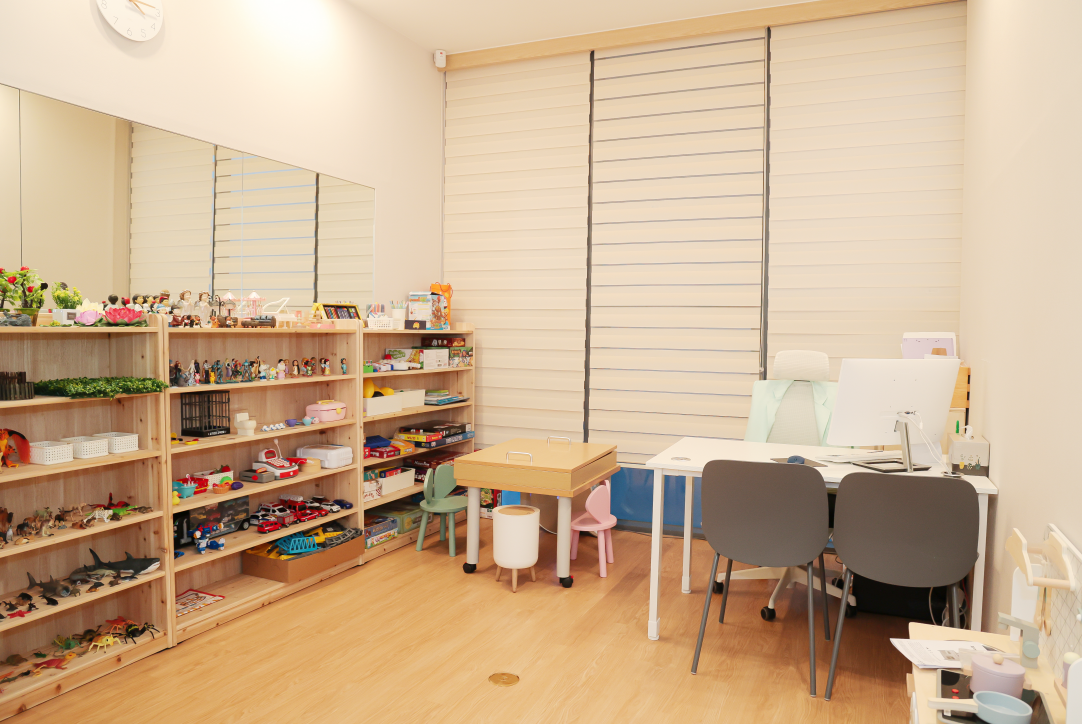
Speech and Cognitive Therapy Room
An individual therapy room with tables and learning materials
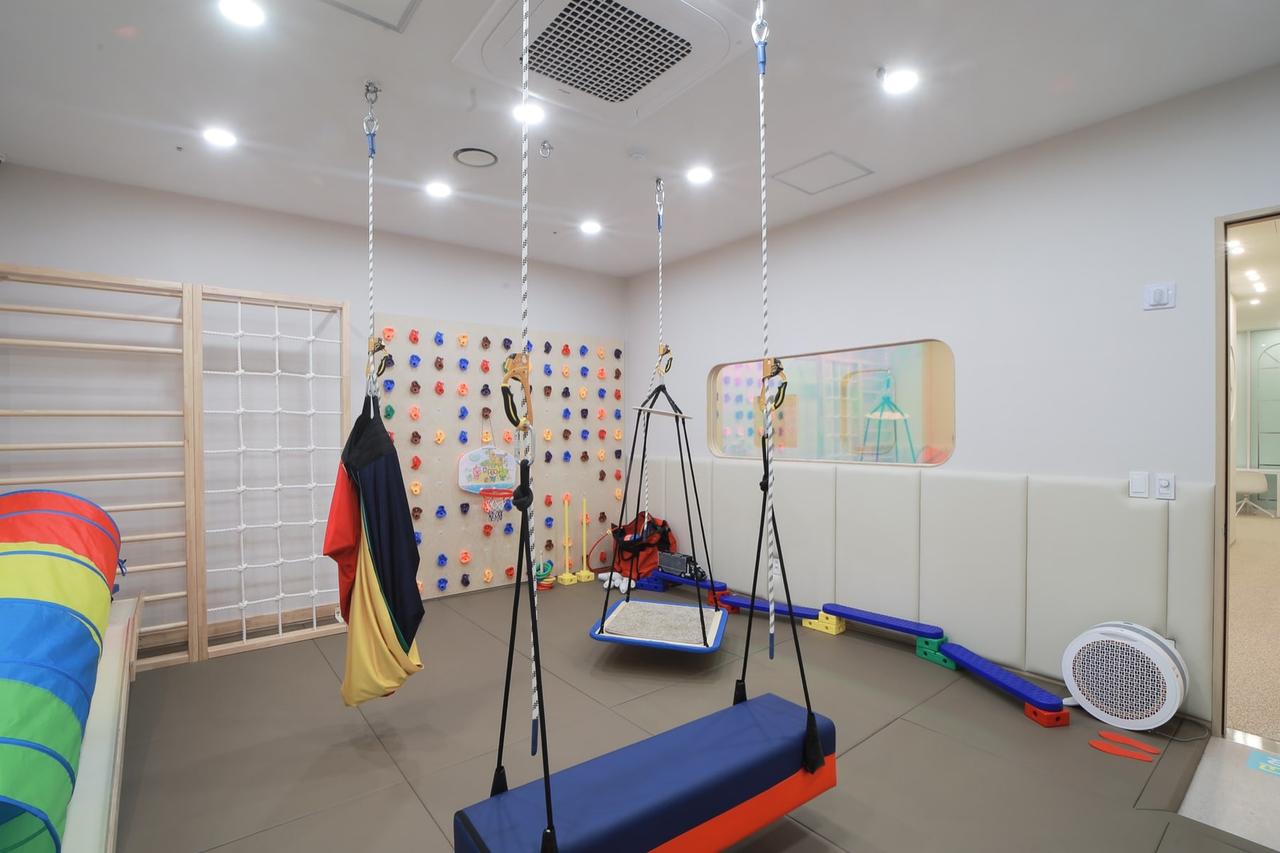
Sensory Integration Room
A room where play is the therapy

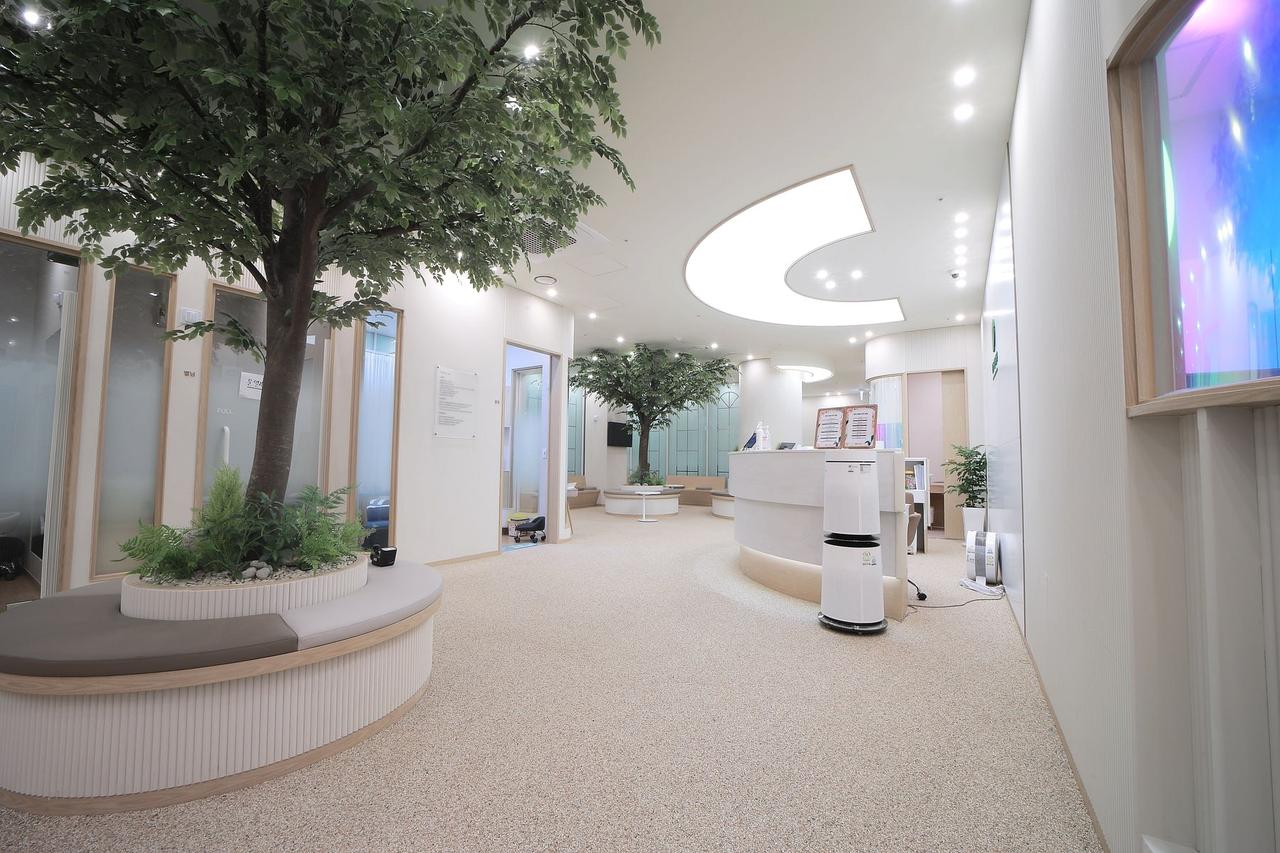
Child Development Center Lobby
Reception and access to the therapy rooms
What is different here
Both centers start with the doctor, and therapy is focused on one person at a time.

전문의가 직접 진료하고 주사해요
A rehabilitation specialist trained at Asan Medical Center examines children and adults herself and performs the ultrasound and injections.
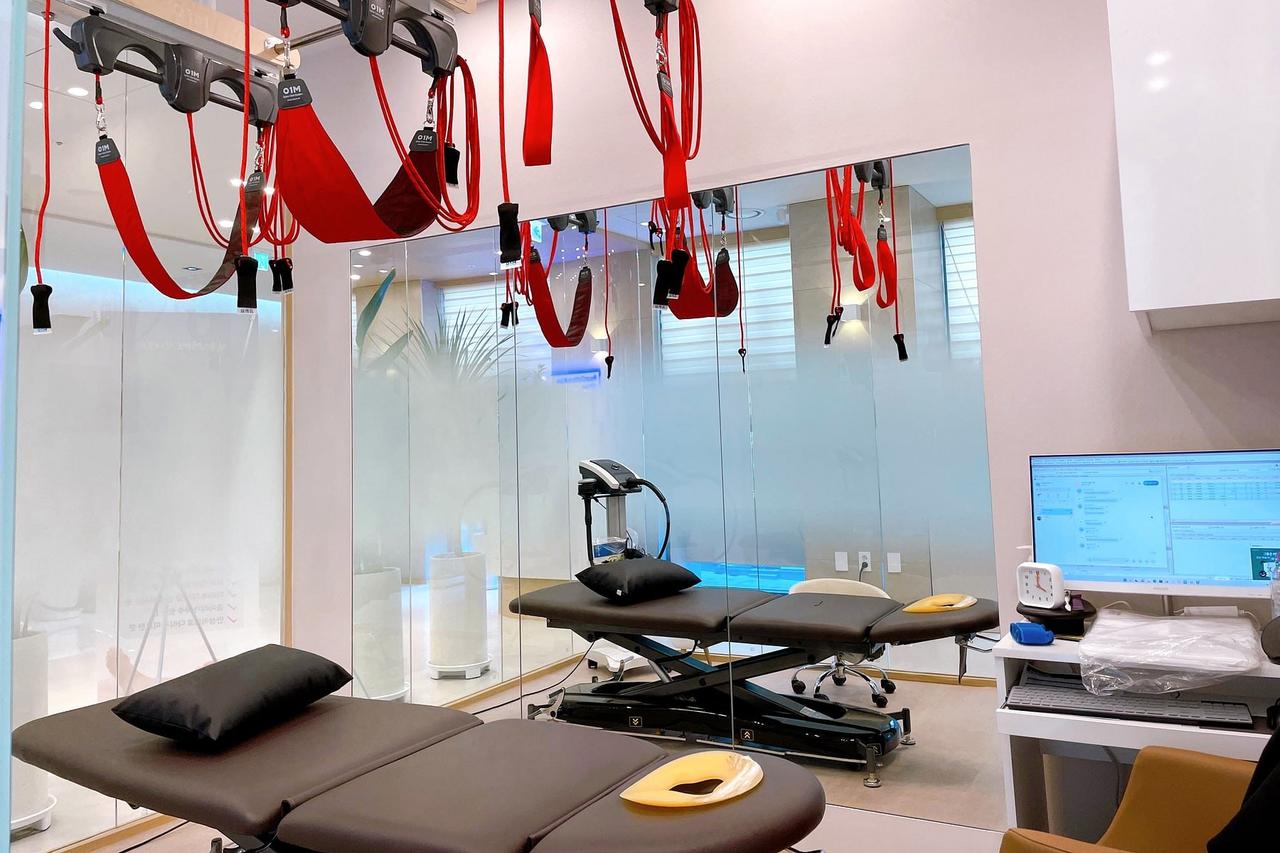
30분 동안 한 사람만 봐요
Manual therapy and children's therapy are 30-minute one-to-one appointments with a dedicated therapist who stays with you.
두 센터가 한 건물에 있어요
The pain center on the 2nd floor and the development center on B1 share one building, so parents can be treated while their child is in therapy. Three minutes from Bangbae station exit 2.
Sensory integration FAQ
My child talks late, why recommend sensory integration therapy?
Sensory responses and language development are assessed separately. Combined therapy may be discussed, but it does not guarantee faster progress.
What is the Bayley assessment?
The Bayley is a precision diagnostic test that deeply profiles five domains, cognition, motor, language, social-emotional, and more, down to fine-grained scores. Which assessment to run first is matched directly by the director at the consultation, considering the child's age in months and behavior.
What is the sensory integration development test?
It is a comprehensive analysis of how correctly the brain receives environmental stimuli and outputs them as physical behavior. From the Denver screening, Sensory Profile, VMI, BOT-2, and clinical observation, suitable tests are selected to precisely differentiate the type of sensory modulation difficulty and the limits of motor planning.
Tell us what worries you
First visits can be requested online. For therapy schedules and follow-ups call the development center at 02-521-7577.