
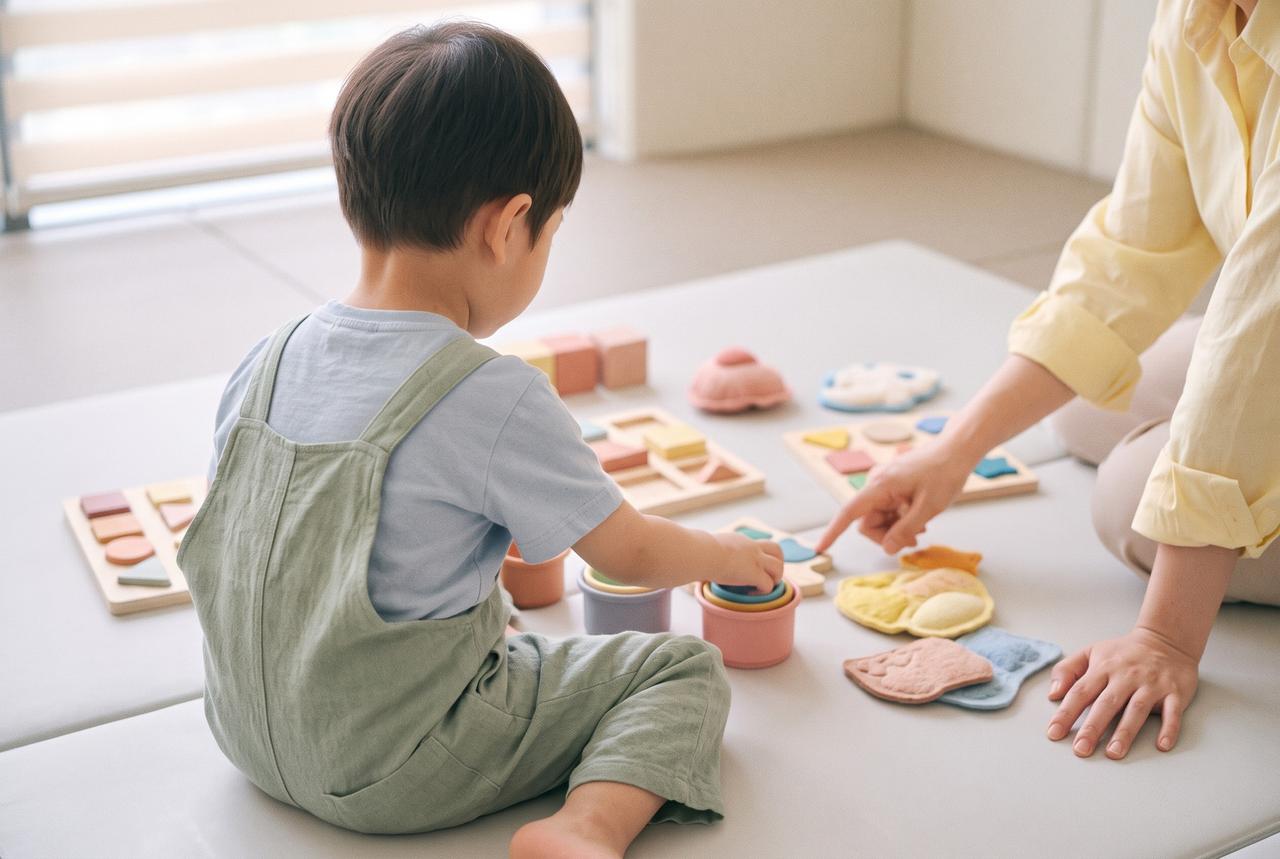
Slow or different? Find out with an assessment
Your child is not slow; this is the time for careful observation at their own pace. As a Bayley assessment site certified by the Ministry of Health and Welfare, we choose Bayley, sensory integration or language assessments to fit age and development.
When an assessment helps
A recommendation for further assessment
We review screening results and current development to select further assessments.

Concerns about differences from peers
Discuss development observed in daily life and whether age-appropriate assessment is needed.

Development in premature infants
We review birth timing and the due date and consider corrected age in assessment.
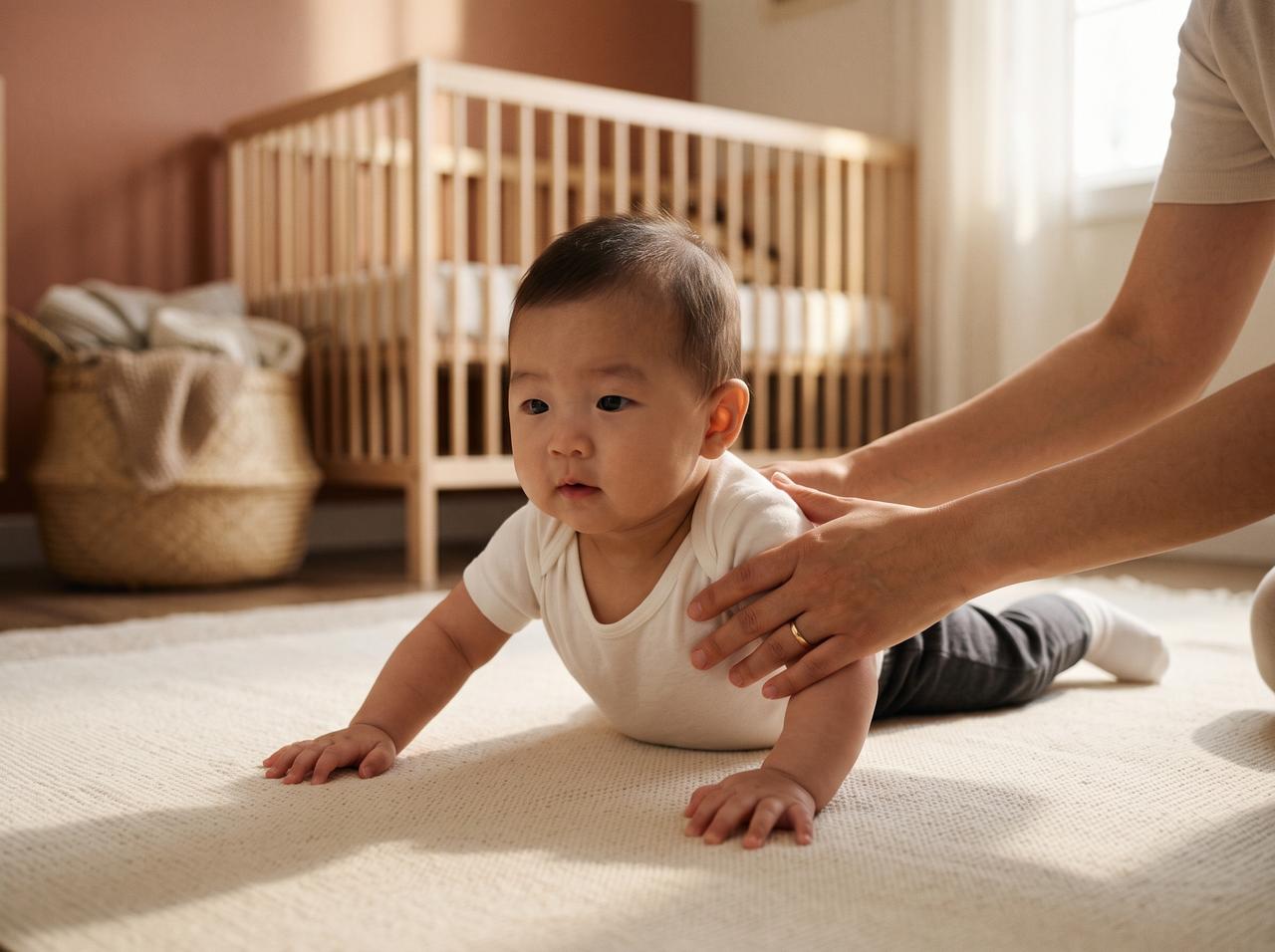
Why choose this
We use the Bayley-III, the international standard, to measure cognition, language, motor, social and emotional development by domain. It is available from 16 days to 42 months, and insurance may apply between 24 and 42 months. Clinical observation and screening keep testing to what is needed, and language and sensory assessments are added to compare strengths and needs. After the assessment we go straight to a treatment consultation.
How the assessment goes
1. Consultation & Examination
We review your concerns and birth and health history before selecting assessments.
2. Personalized Assessment
We select Bayley, Denver, language or sensory assessment tools for the child’s age and needs.
3. Results Consultation & Treatment Plan
We review the results together and discuss therapy, home activities or observation.
Assessment and home guidance
Over five weeks we re-assess the same areas and compare them with the starting point to confirm change, then move on to a one-on-one tailored home program based on the results. A follow-up consultation after week five explains progress and next steps.
Who sees your child
A rehabilitation specialist trained in pediatric rehabilitation at Asan Medical Center examines your child, and dedicated therapists provide one-to-one treatment.

Before the assessment
Health insurance coverage may vary with your child's age and the number of previous tests, so please check the conditions when booking. If you bring results, records and imaging (CD) from another institution, we can avoid repeating the same tests.
Which tests we use
Bayley developmental assessment (Bayley-III)
Insurance coverage depends on suspected developmental delay, age and previous assessments. Please confirm eligibility when booking.
1:1 tailored sensory-integration assessment
We don't run every test mechanically, through clinical observation and pre-screening we select only the tools your child actually needs: Sensory Profile, DDST (Denver), BOT-2, VMI and more, applied selectively.
Comprehensive language assessment
We choose tools that fit the child's chronological age and language level.
- Infant language and development: SELSI, K-MB-CDI, Munich. Early comprehension and expression, multi-domain infant development
- Child and school-age language: PRES, LSSC. Receptive and expressive scales, school-age language
- Specialised areas: Meta-pragmatic test, Paradise Fluency. Social conversation, stuttering and fluency
- Motor and overall perception: AIMS, Full Battery. Infant gross motor, comprehensive neurocognition
Reading on development
Articles for parents who want to know more about developmental assessment.
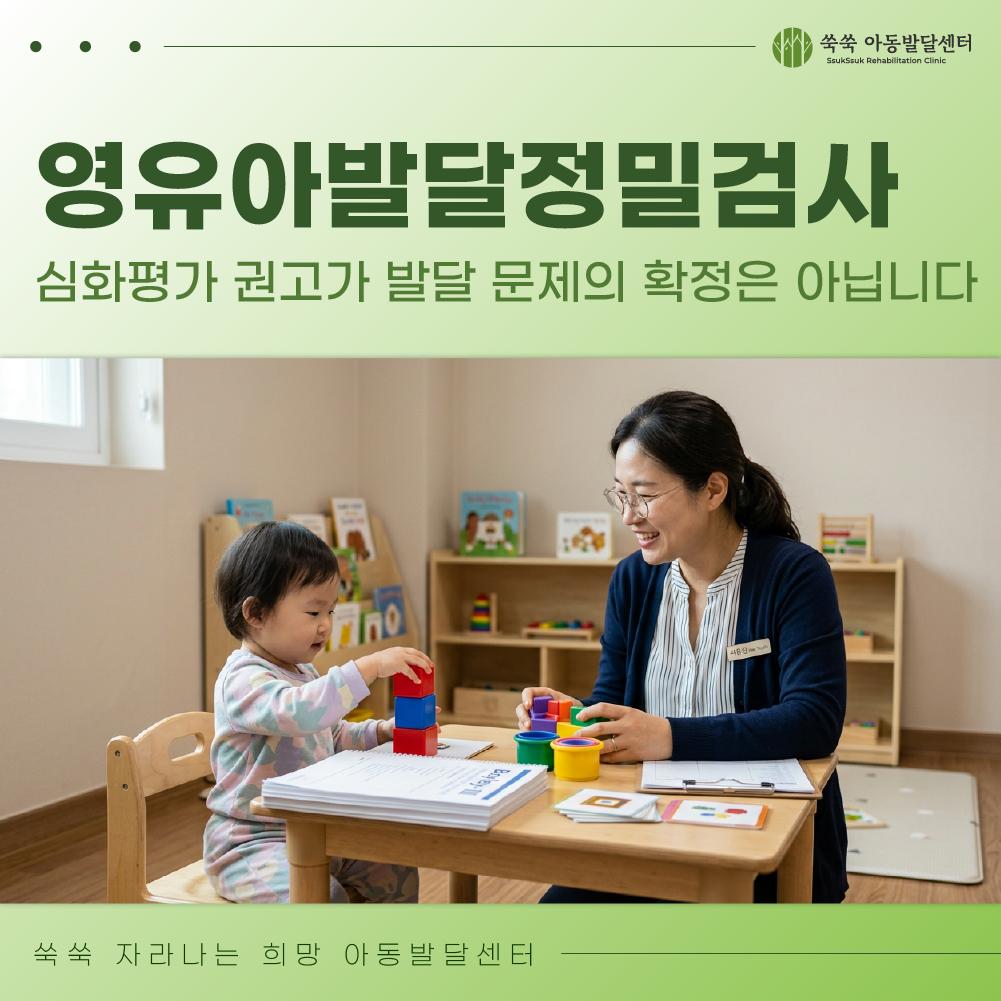
Further Evaluation Recommended? In-Depth Testing in Seocho-dong
For parents whose child received a "further evaluation recommended" result at their national infant health checkup, we explain what in-depth developmental testing at our Seocho-dong child development center looks at and how to read the results.

Naebang Station: Next Steps After a Further-Evaluation Result
For parents whose child received a "further evaluation recommended" result at the infant health checkup: which assessments our Naebang Station development center uses next, and what each one looks at, step by step.
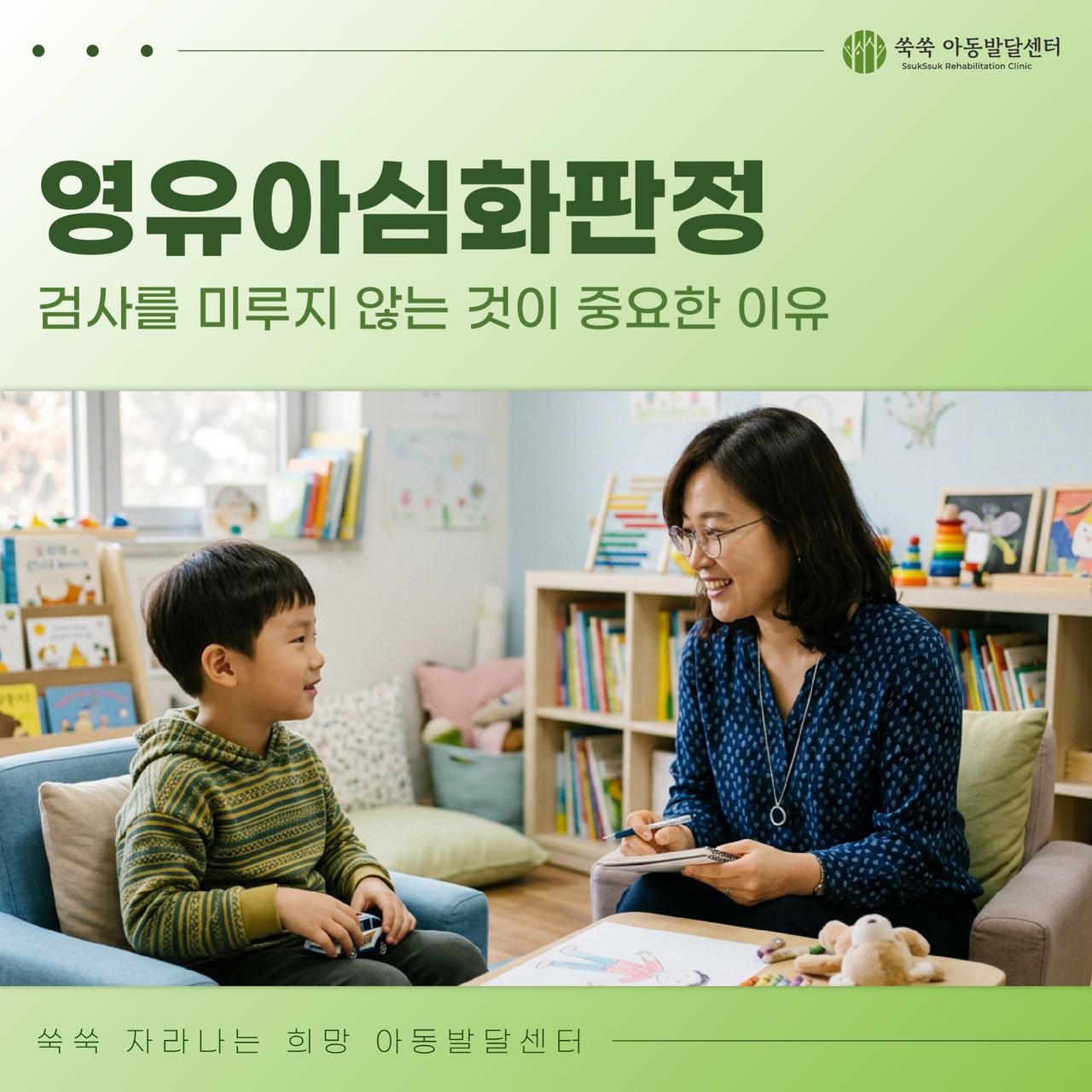
"Further Evaluation Recommended" in Seocho-dong: Why Not to Wait
For parents weighing a follow-up assessment after a "further evaluation recommended" result on the infant health checkup: why our Development Center in Seocho-dong suggests not putting it off.
Explore our treatment spaces
See where your child will be treated
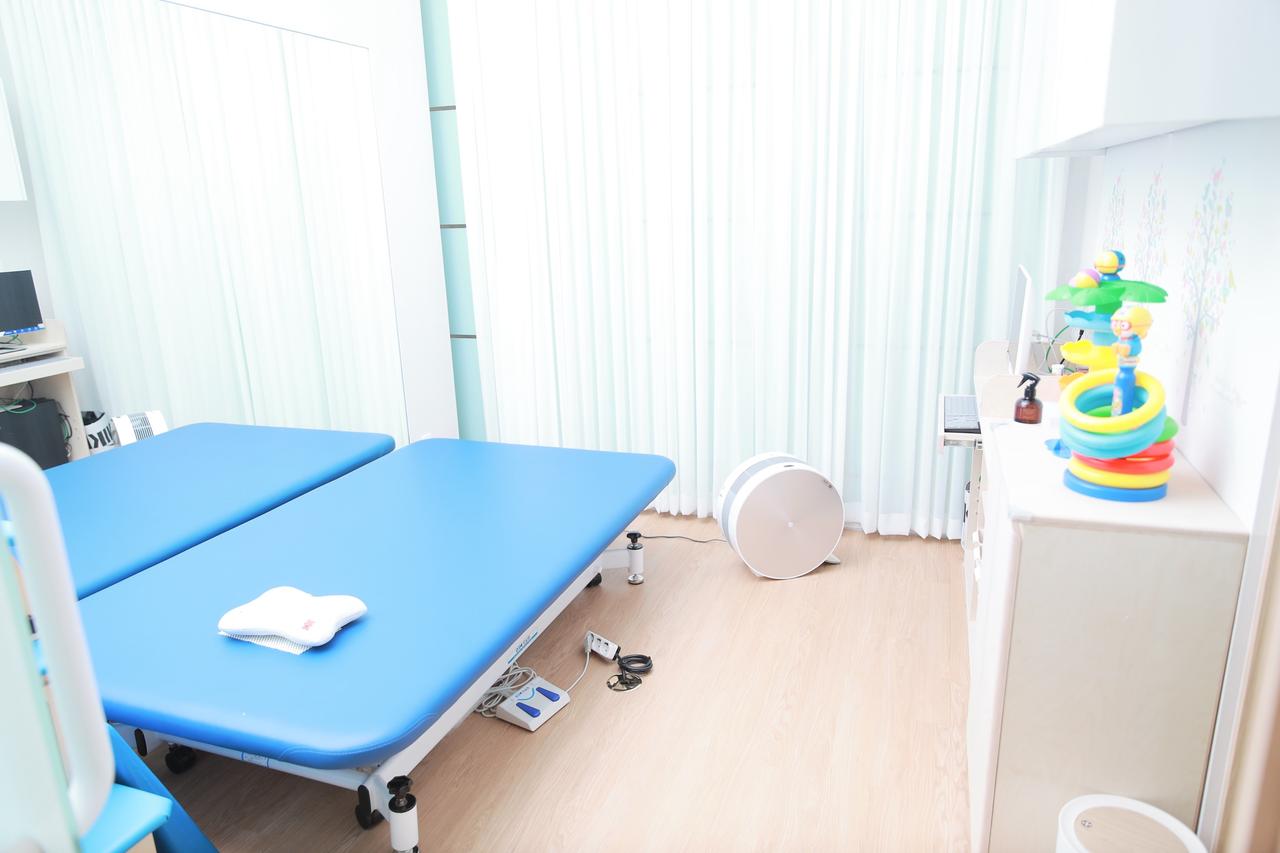
Consultation Room
Where we listen fully and explain in detail
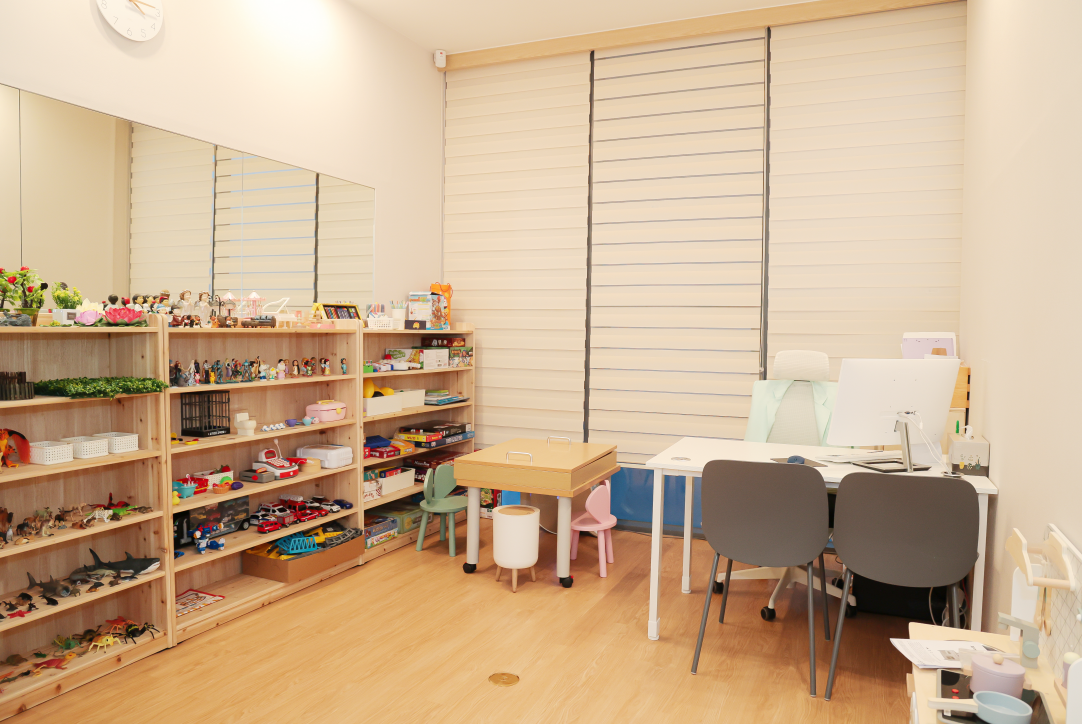
Speech and Cognitive Therapy Room
An individual therapy room with tables and learning materials
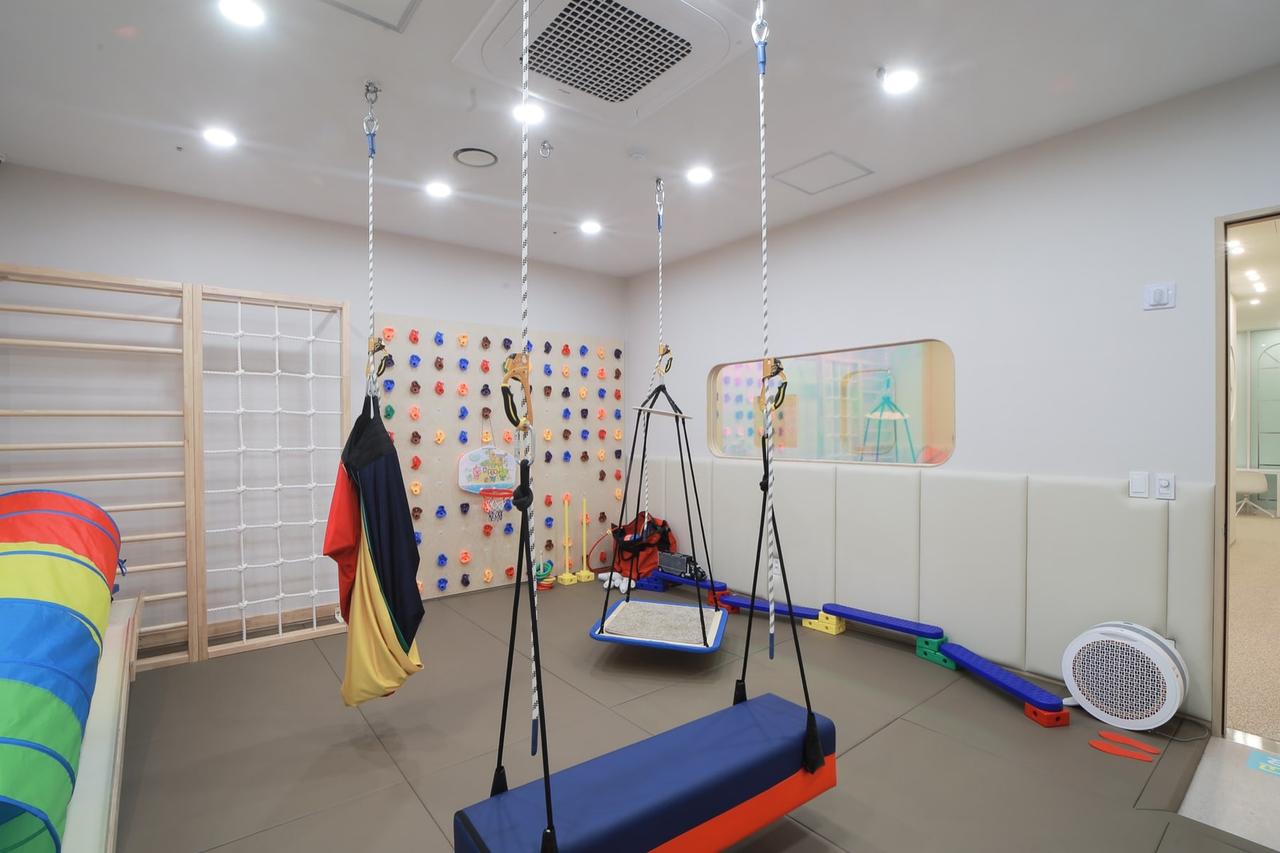
Sensory Integration Room
A room where play is the therapy
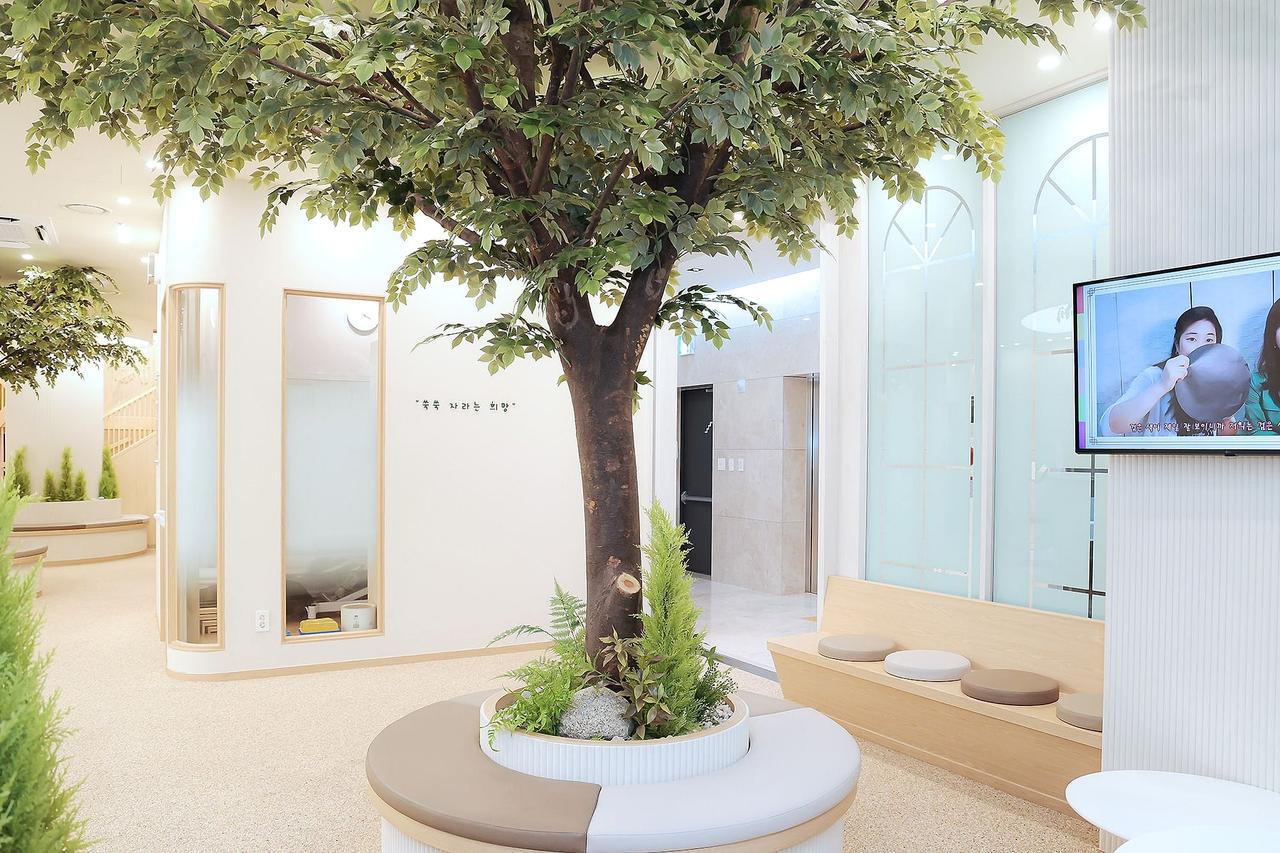
Child Development Center Lobby
Reception and access to the therapy rooms
What is different here
Both centers start with the doctor, and therapy is focused on one person at a time.
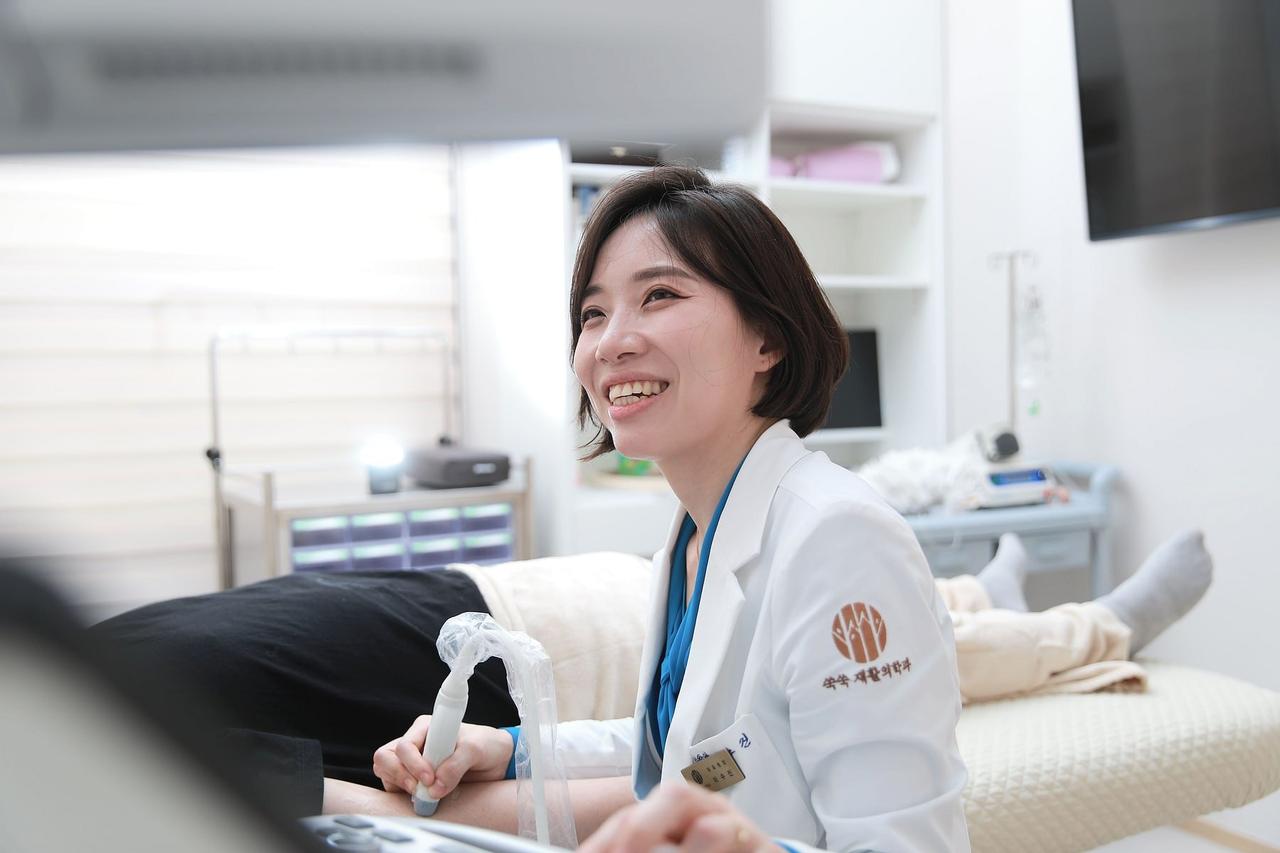
전문의가 직접 진료하고 주사해요
A rehabilitation specialist trained at Asan Medical Center examines children and adults herself and performs the ultrasound and injections.
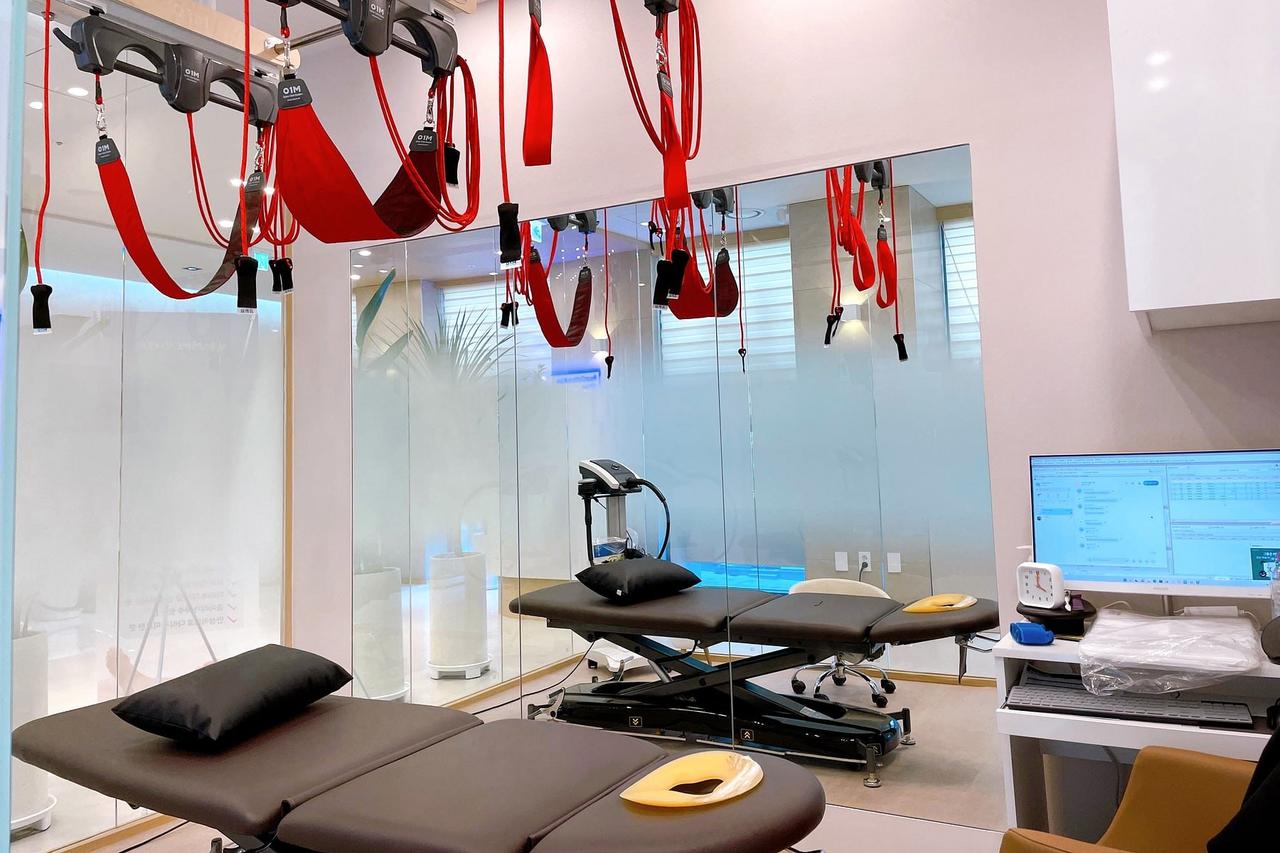
30분 동안 한 사람만 봐요
Manual therapy and children's therapy are 30-minute one-to-one appointments with a dedicated therapist who stays with you.
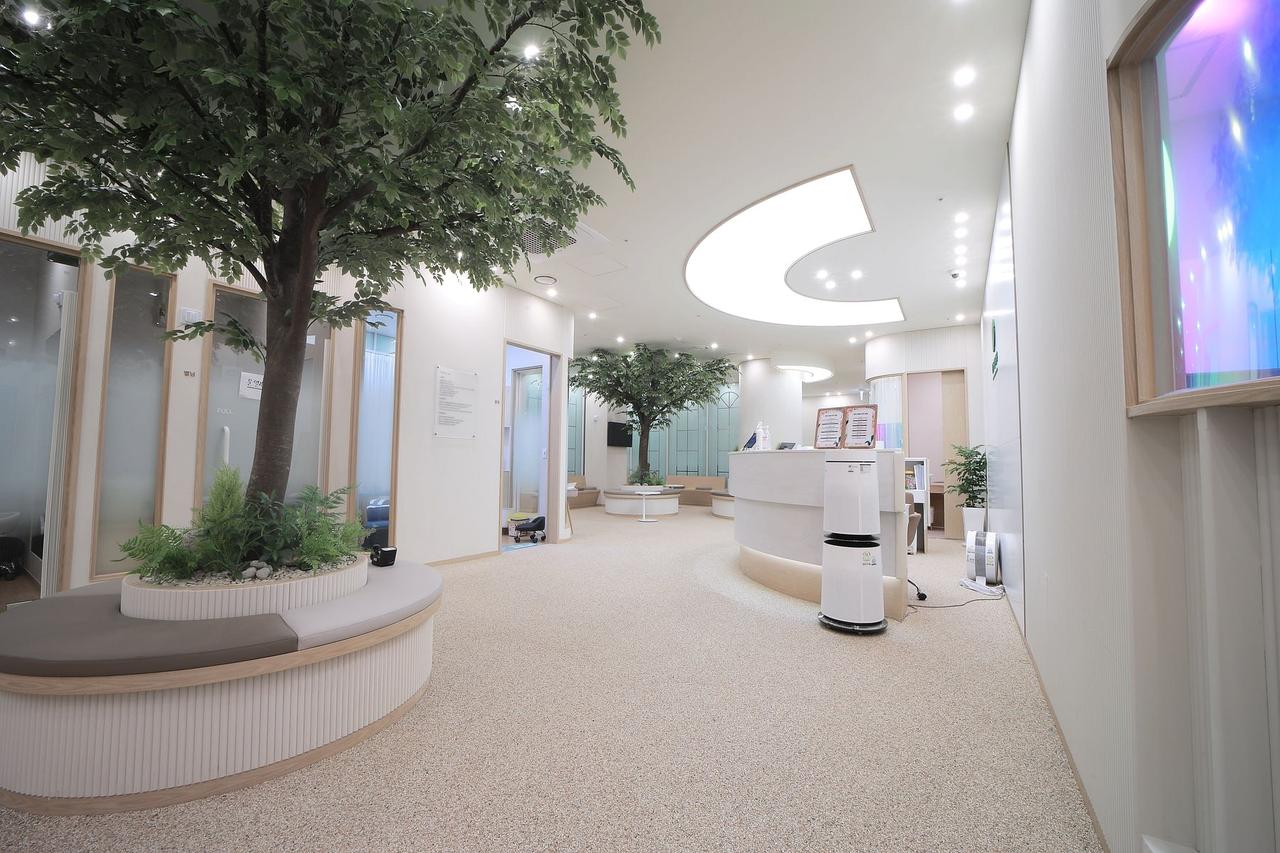
두 센터가 한 건물에 있어요
The pain center on the 2nd floor and the development center on B1 share one building, so parents can be treated while their child is in therapy. Three minutes from Bangbae station exit 2.
Assessment FAQ
Are parents present during the assessment?
Yes, parents stay with the child. Infants are observed in play rather than tested, alongside a parent-report questionnaire. It takes 50 minutes to an hour, and we review the results with you before deciding on therapy.
How much do assessments and therapy cost?
Language assessment 250,000 won, sensory integration assessment 150,000 to 250,000 won, Full Battery 550,000 won. Speech, sensory integration and cognitive therapy run 100,000 to 120,000 won per session on weekdays and 110,000 to 130,000 won on weekends, depending on the therapist. Some assessments for children under 42 months, such as the Bayley, may be covered by insurance; this is confirmed at the visit. The full table is on the non-covered fees page.
From what age can testing be done?
The Bayley covers 16 days to 42 months (3.5 years), and the Denver screening (DDST) covers 0-60 months. The right test for your child's age is matched at the consultation, so even very young babies can be assessed without worry.
My child talks late, is a language assessment alone enough?
Reasons for language delay and other areas needing assessment vary. We review language, cognition and movement before deciding on further tests; not every test is needed at once.
After an assessment, must therapy start right away?
No. If the results show your child is developing on par with peers, you can finish with daily-stimulation guidance and no therapy. Even with a meaningful delay, the final decision is made together with the caregiver after reviewing the results, so feel free to start with just the assessment.
Tell us what worries you
First visits can be requested online. For therapy schedules and follow-ups call the development center at 02-521-7577.