
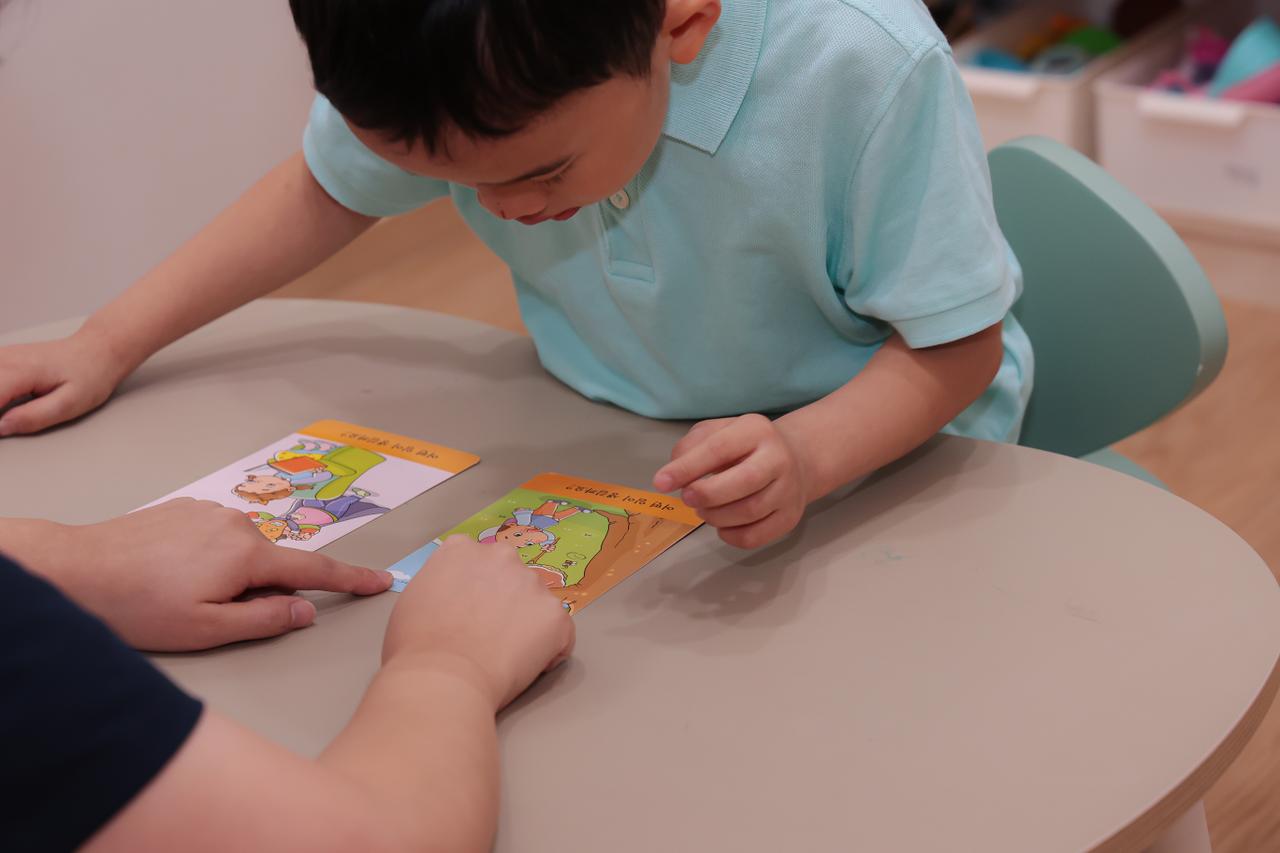
Is speech late? Let us check together
Understanding, expression, articulation and conversation grow through play and interaction at your child's level, with ways to continue at home.
Signs to watch by age
돌 무렵
The child does not babble at all, or shows no attempts at nonverbal communication such as pointing.
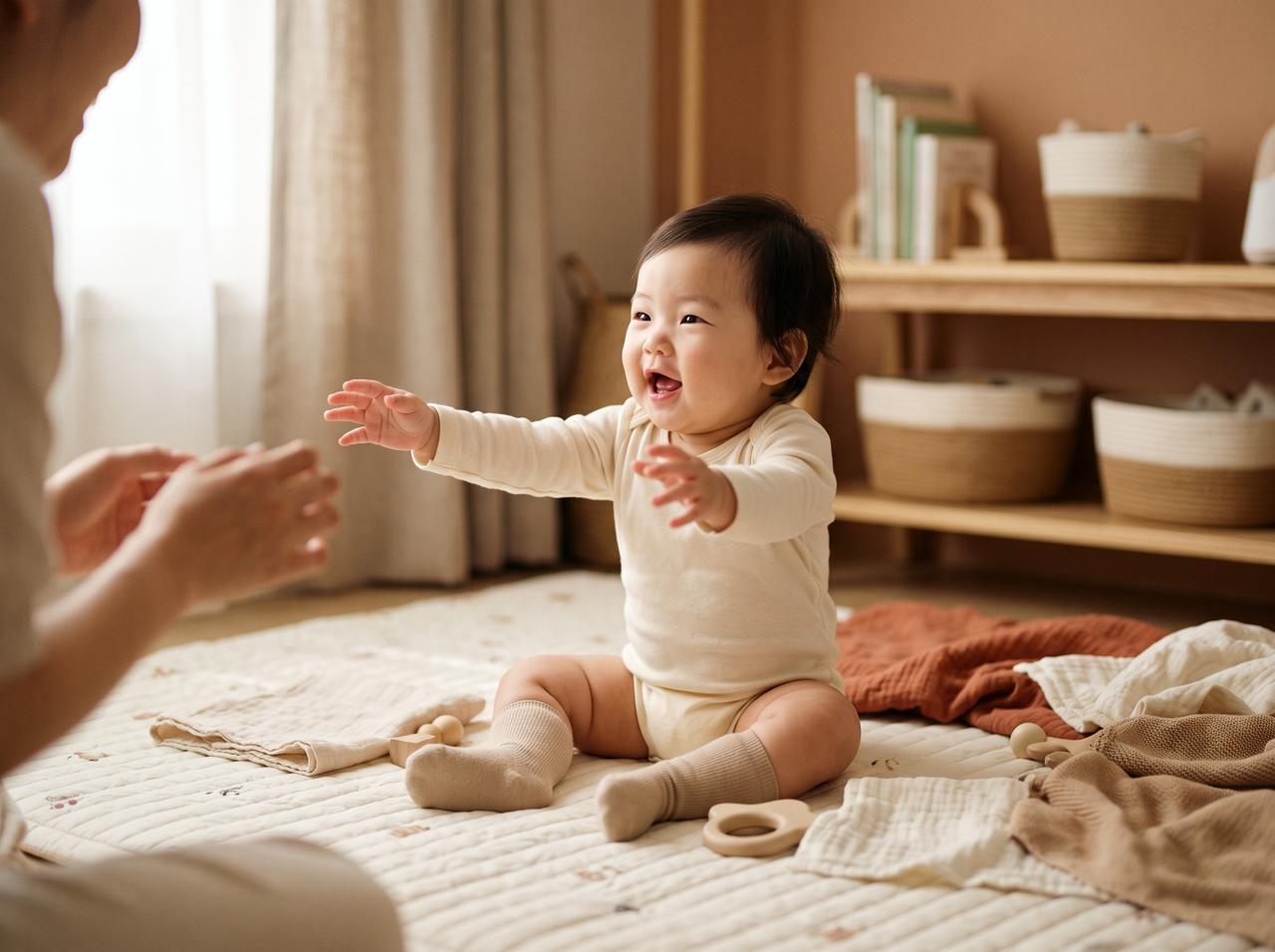
18개월
The child speaks no meaningful words beyond 'mommy/daddy' and struggles with simple instructions.

24개월
The child cannot produce two-word sentences and can express fewer than 50 words.
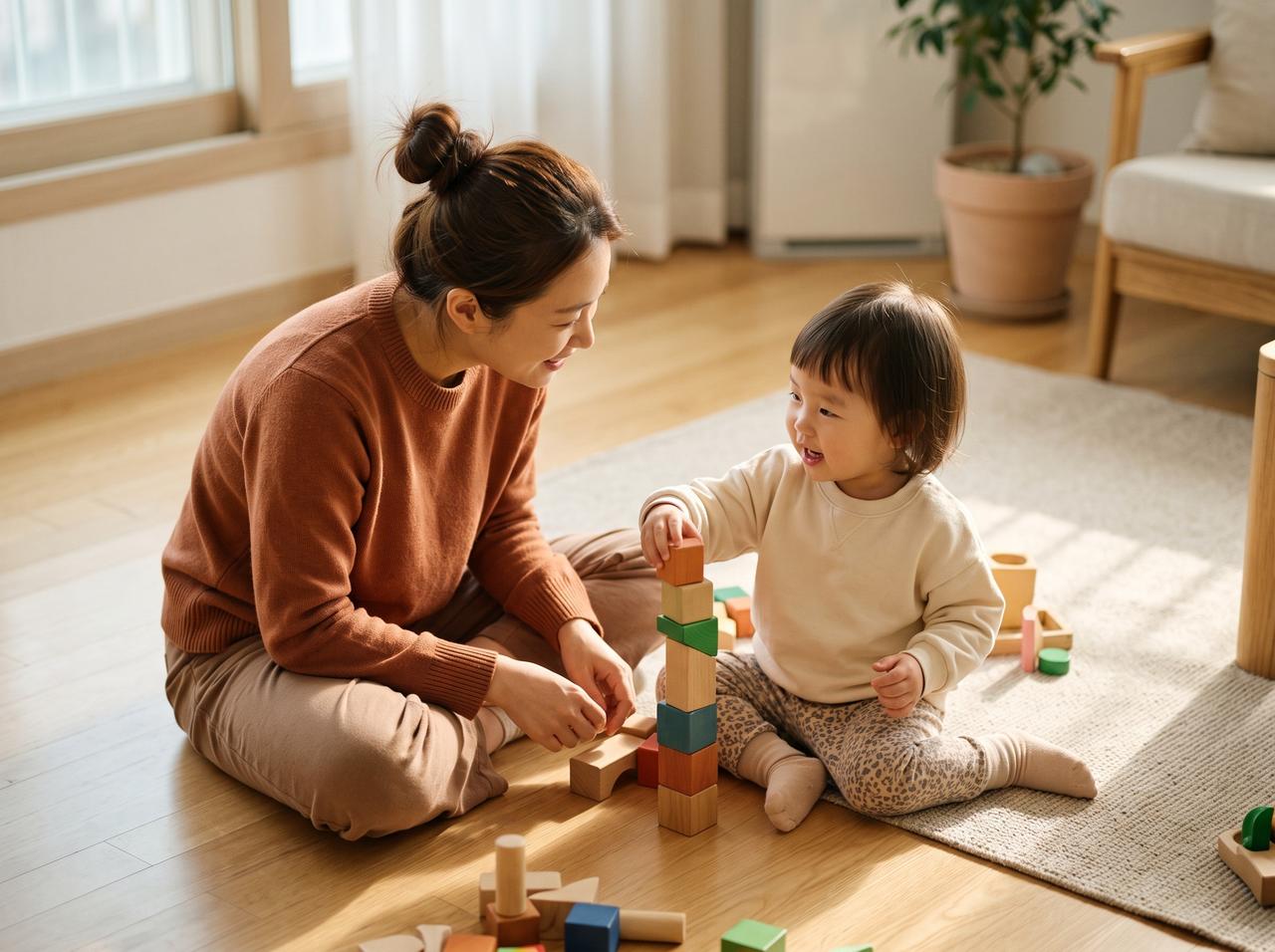
36개월
A stranger understands under 50% of the child's speech, or the child struggles to communicate in sentences.

What we check first

언어 전 영역 종합 케어
Speech therapy comprehensively cares for receptive/expressive language, articulation and pragmatics.
표준화 검사 기반 정밀 평가
Vocabulary (K-MB CDI, REVT) and language tests (SELSI, PRES, LSSC) chosen by age and concern.

석사급 1급 언어재활사
Speech-language therapists handle everything from the first check to therapy. See the team page for each therapist's credentials.

놀이·상호작용 중심 치료
Play matched to interests and development supports practice in understanding and expression, with guidance for home.
How speech therapy goes
1. Speech-Language Assessment
Communication assessed by standardized tests and observation; infants via play and caregiver reports.
2. Results Consultation & Treatment Decision
We review results with the caregiver to decide on therapy; if on par with peers, stimulation tips may suffice.
3. Individual Therapy & Home Follow-Up
Individualized play-based therapy at the child's level, with guided home activities.
Before therapy
If you bring test results, records and imaging (CD) from another institution, we can avoid repeating the same tests. Please continue the activities you learn at home, and talk to your therapist at the next session about your child's reactions or anything that feels difficult.
Language Delay Assessment in Seocho: Receptive vs. Expressive Language
For parents considering an assessment because their child is late to talk, we explain how a Seocho child development center looks at receptive and expressive language separately.

Speech Therapy in Seocho & Bangbae: Why Timing Changes Outcomes
For parents considering speech therapy for a late talker: the sensitive period for language, signs to check early, and how starting early compares to starting late.

Language Delay near Seocho Station: From Words to Sentences
For parents whose child is learning more words but still not making sentences: how our Development Center near Seocho Station looks at sentence development in language delay.
Explore our treatment spaces
See where your child will be treated
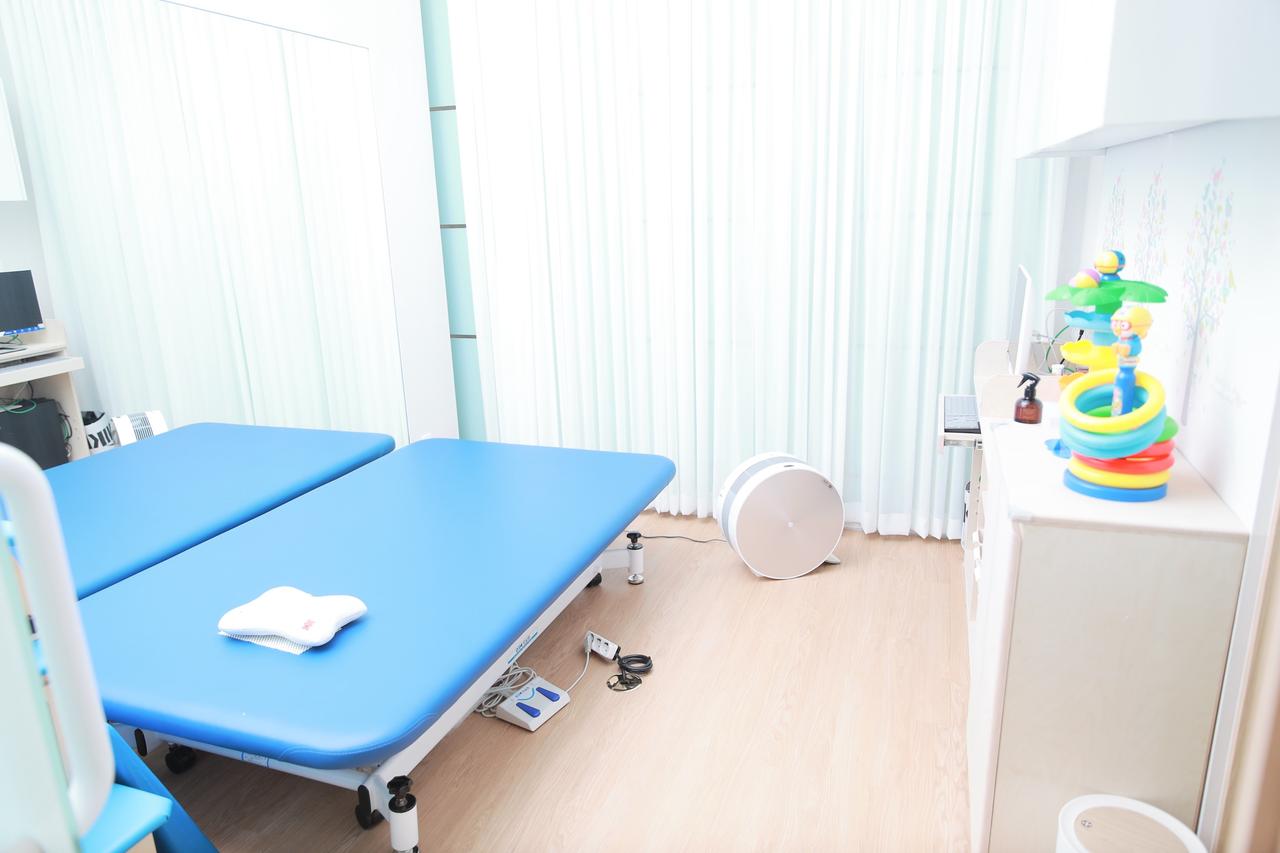
Consultation Room
Where we listen fully and explain in detail
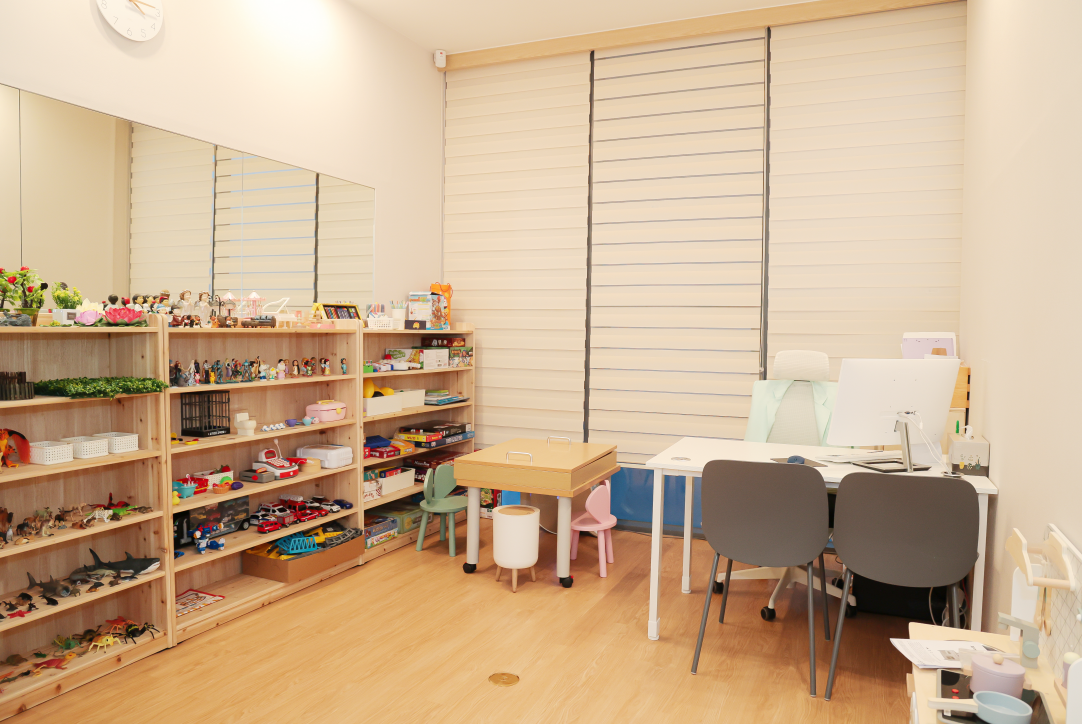
Speech and Cognitive Therapy Room
An individual therapy room with tables and learning materials
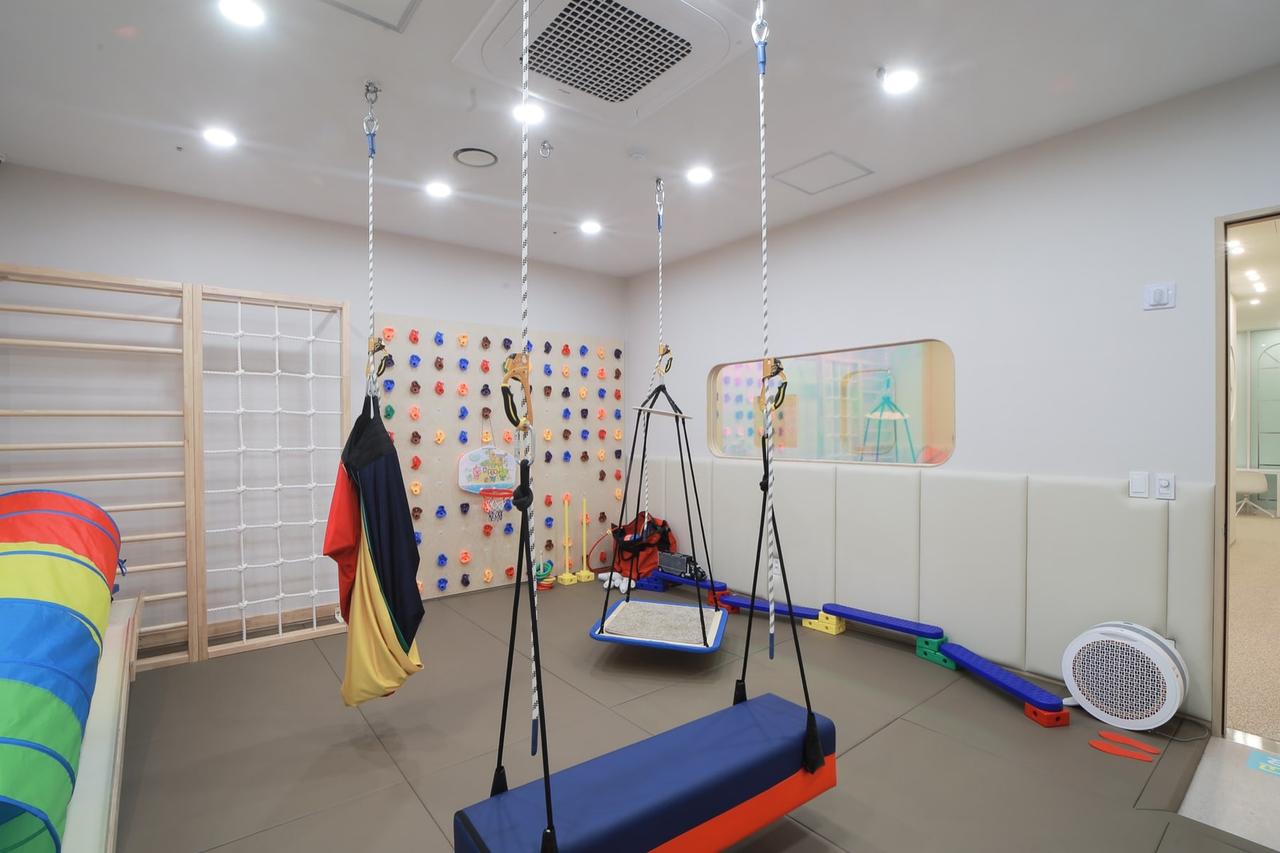
Sensory Integration Room
A room where play is the therapy
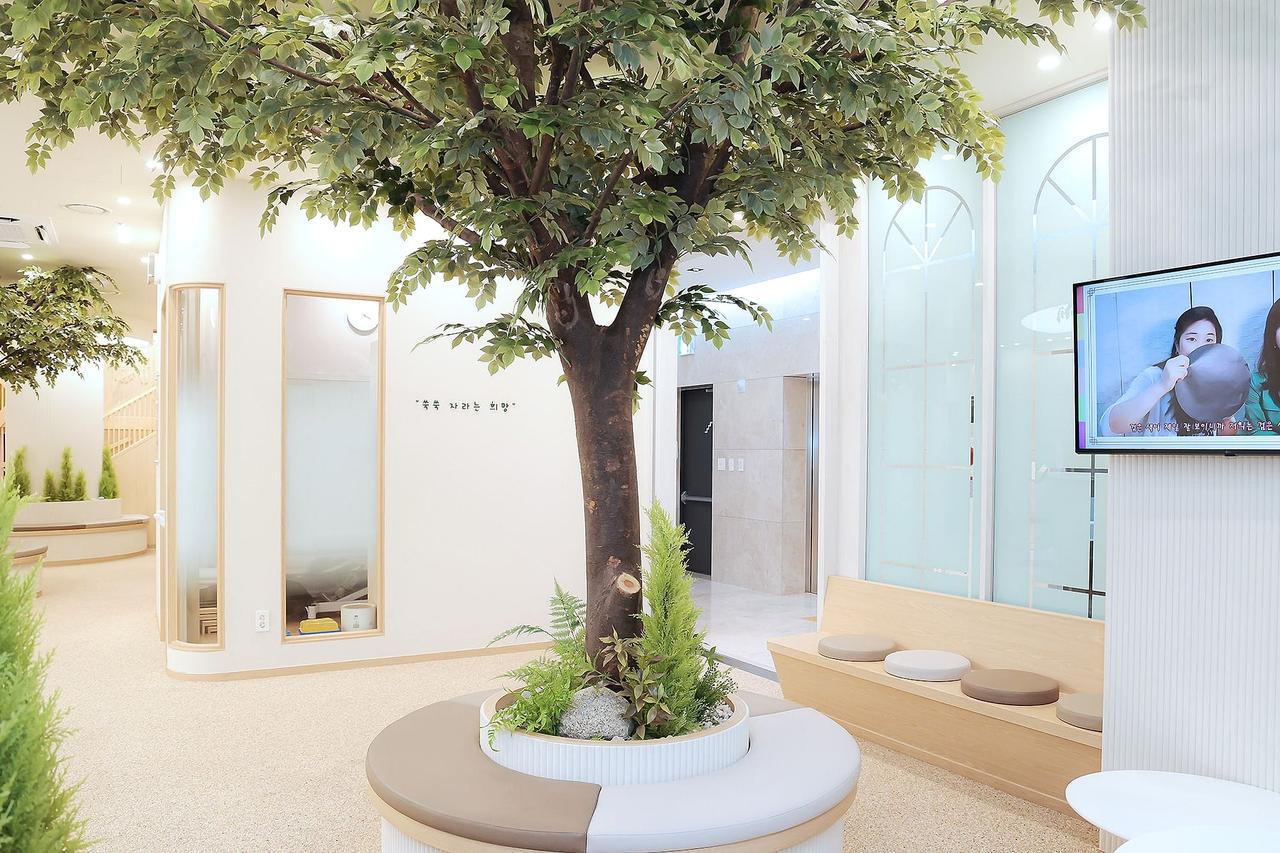
Child Development Center Lobby
Reception and access to the therapy rooms
What is different here
Both centers start with the doctor, and therapy is focused on one person at a time.
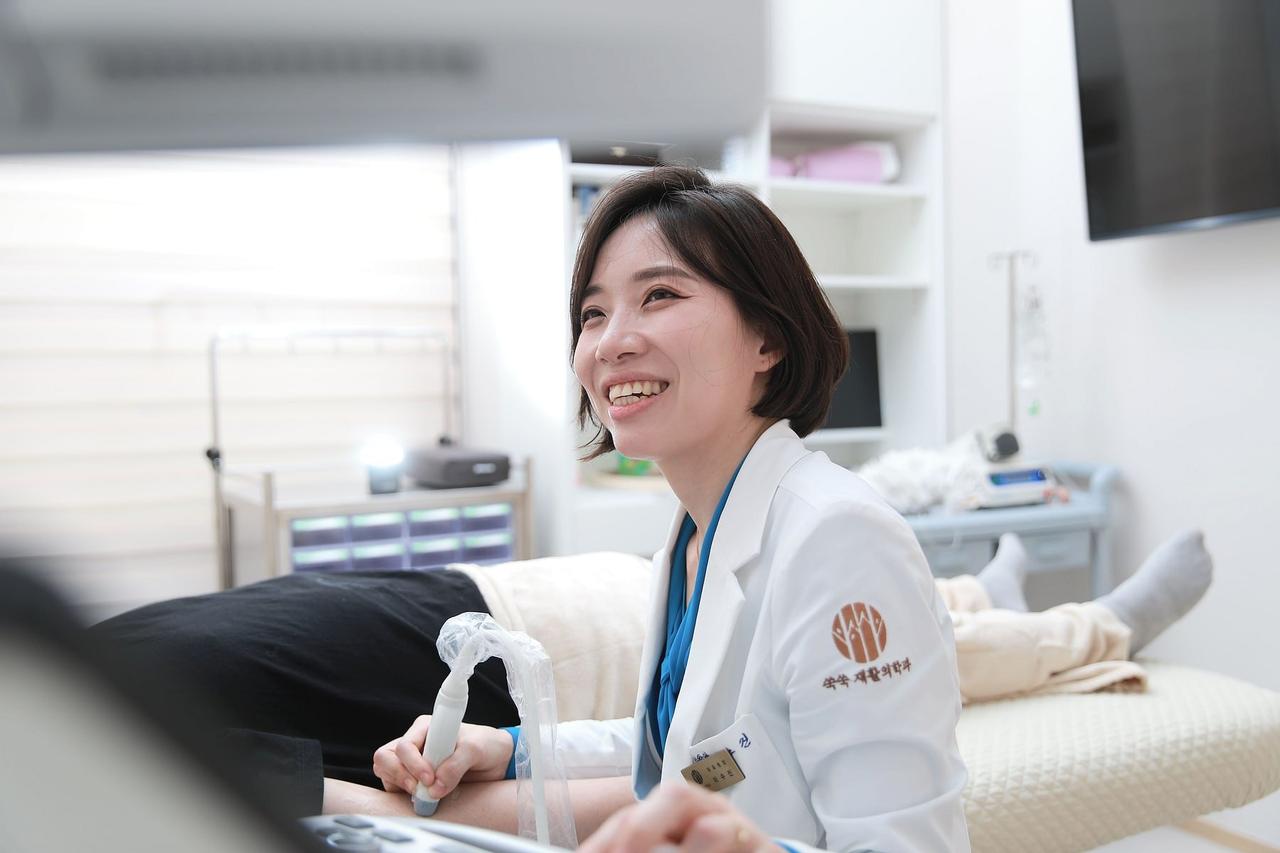
전문의가 직접 진료하고 주사해요
A rehabilitation specialist trained at Asan Medical Center examines children and adults herself and performs the ultrasound and injections.
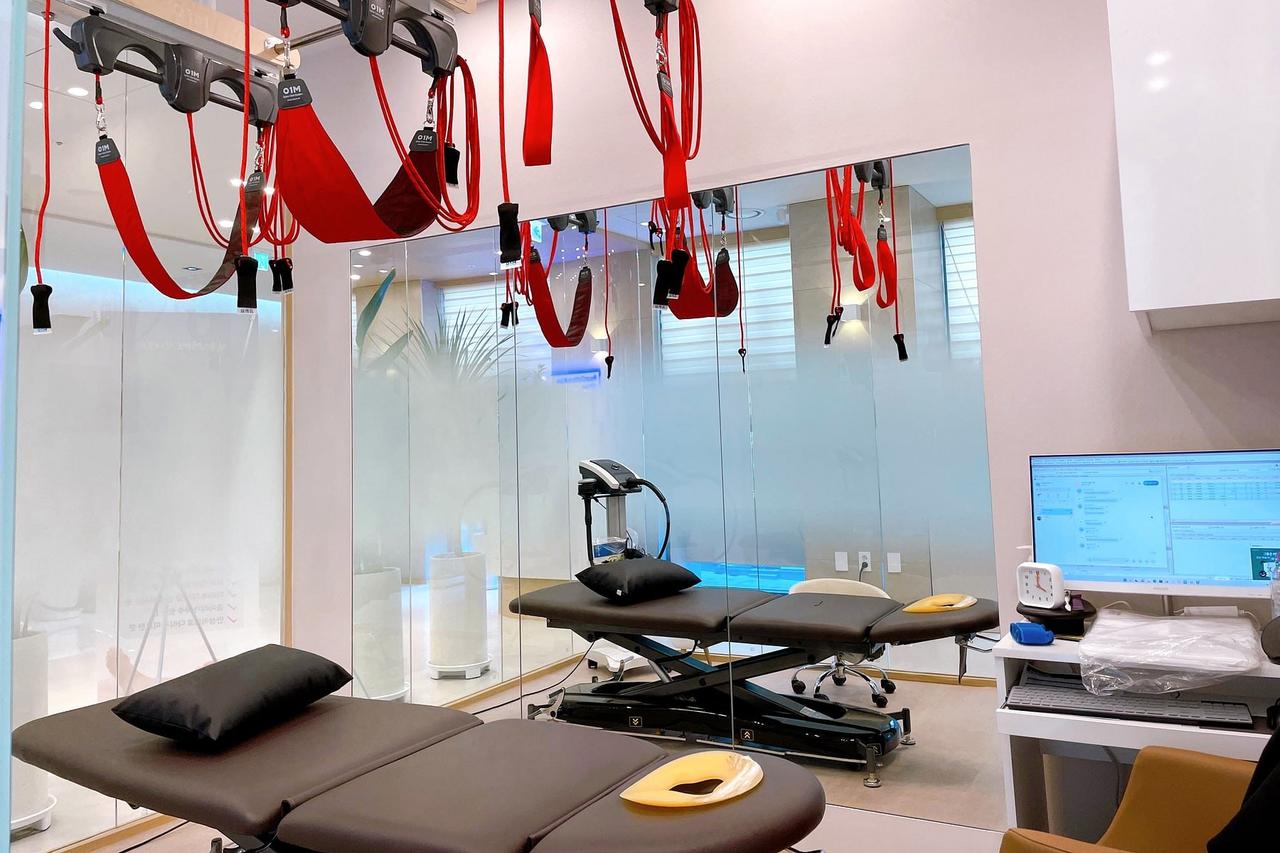
30분 동안 한 사람만 봐요
Manual therapy and children's therapy are 30-minute one-to-one appointments with a dedicated therapist who stays with you.
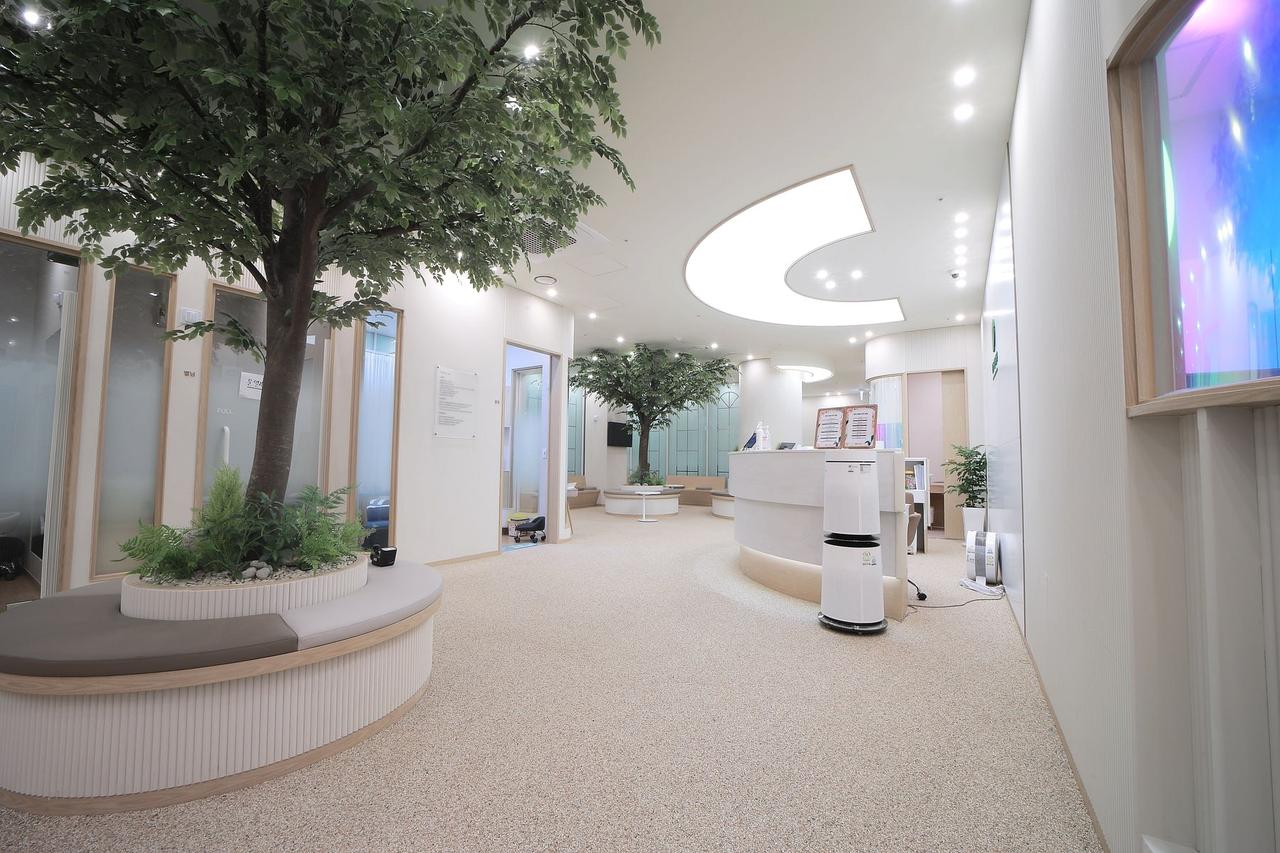
두 센터가 한 건물에 있어요
The pain center on the 2nd floor and the development center on B1 share one building, so parents can be treated while their child is in therapy. Three minutes from Bangbae station exit 2.
Speech therapy FAQ
Are parents present during the assessment?
Yes, parents stay with the child. Infants are observed in play rather than tested, alongside a parent-report questionnaire. It takes 50 minutes to an hour, and we review the results with you before deciding on therapy.
How much do assessments and therapy cost?
Language assessment 250,000 won, sensory integration assessment 150,000 to 250,000 won, Full Battery 550,000 won. Speech, sensory integration and cognitive therapy run 100,000 to 120,000 won per session on weekdays and 110,000 to 130,000 won on weekends, depending on the therapist. Some assessments for children under 42 months, such as the Bayley, may be covered by insurance; this is confirmed at the visit. The full table is on the non-covered fees page.
My child is still very young, is a language assessment possible?
Yes. Very young infants are never tested like an exam, we assess safely through child-level play observation and caregiver-report standardized questionnaires.
Which tests do you use?
Depending on the concern and age, we selectively use SELSI (infant language screening), PRES (receptive-expressive language scale), REVT (vocabulary test), K-MB CDI, and more to pinpoint the child's current developmental percentile.
After an assessment, must therapy start right away?
No. If the results show your child is developing on par with peers, you can finish with daily-stimulation guidance and no therapy. Even with a meaningful delay, the final decision is made together with the caregiver after reviewing the results, so feel free to start with just the assessment.
Is sensory sensitivity related to a language delay?
Sensory responses and language development are assessed separately. Combined therapy may be discussed, but it does not guarantee faster progress.
Tell us what worries you
First visits can be requested online. For therapy schedules and follow-ups call the development center at 02-521-7577.